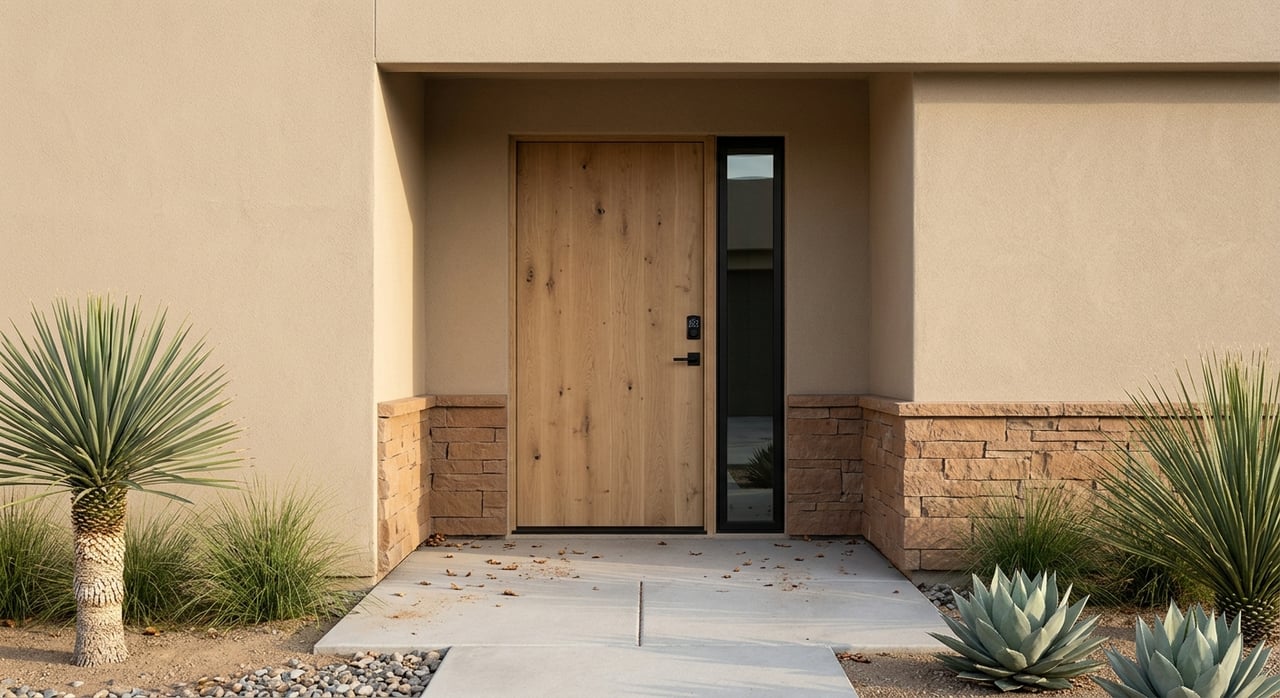
Remote Home Buying in St. George From Tour to Closing
May 21, 2026
May 21, 2026
Buying a home from out of town can feel like a leap. You want enough detail to move forward with confidence, but you also do not want to waste time flying back and forth for every showing, document, and deadline. If you are considering a home, land parcel, or equestrian property in St. George, a remote purchase can absolutely work with the right process. Let’s dive in.
Remote buying is more practical in St. George than many buyers expect. Washington County offers online property tools, property search access, plat maps, historical documents, zoning information, and an interactive map that can help you review a property from a distance.
Utah also allows remote notarization through certified remote notaries using live audio-video communication and identity verification. On top of that, Washington County offers e-recording, which helps streamline the final paperwork side of closing.
That does not mean remote buying should feel rushed or casual. It means you can build a smart, organized process that helps you narrow options, verify key details, and move forward when the right property appears.
If you are shopping remotely, timing matters. Recent market snapshots show St. George is active, with Redfin reporting a March 2026 median sale price of $520,000 and 57 median days on market, while Realtor.com reported a $555,000 median listing price, about 1,400 homes for sale, and 55 median days on market.
Those numbers differ because the sources use different methods, but the overall message is clear. Homes are not sitting forever, and buyers may need to make decisions quickly when a property checks the right boxes.
For remote buyers, that makes preparation especially important. Virtual tours are not just a convenience here. They are part of a faster decision-making process, especially if you are relocating, buying a second home, or comparing several properties across Washington County.
A good remote purchase usually starts with a live video tour or a recorded walkthrough. This first step helps you understand the layout, room flow, condition, and how the property actually feels beyond listing photos.
For higher-end homes, land, and horse properties, a video tour is especially useful because the details matter. You may want a closer look at outdoor space, access points, fencing, outbuildings, views, road approach, and how the property sits on the lot.
A virtual showing should help you answer practical questions like:
This is where local guidance can make a real difference. If you are not physically present, you need someone who can help you look beyond the obvious and focus on the details that affect your decision.
Once a property catches your attention, the next step is to confirm what you are seeing. Washington County provides several online tools that support remote due diligence, including property search, ownership plat maps, historical documents, zoning information, property watch, and an interactive map.
These tools can help you review the parcel, legal description, and recorded history before you commit earnest money. For buyers looking at land, lots, or equestrian properties, this step is especially important because acreage, access, and parcel shape can have a major impact on how a property fits your goals.
A practical remote workflow often looks like this:
This process is not a legal checklist. It is simply a smart way to reduce surprises when you are buying from out of area.
Remote buyers looking at land or horse property need to be especially careful about the basics. Washington County’s online tools can help you verify parcel boundaries, recorded access, plat maps, zoning information, and property record history.
That matters because these property types often involve questions that go beyond the house itself. You may be evaluating acreage layout, access routes, the shape of the parcel, or how the recorded documents line up with your intended use.
Before making an offer, it is wise to review:
When you are buying from a distance, clarity upfront matters. It can save time, prevent confusion, and help you focus only on properties that truly fit what you need.
Once you are ready to write an offer, remote buying becomes less about distance and more about timing. Digital communication can make things feel flexible, but the transaction still runs on fixed deadlines.
That is especially true if you are financing the purchase. One of the most important timing rules is the Closing Disclosure requirement. For financed purchases, the lender must deliver the Closing Disclosure at least three business days before closing.
In practical terms, that means you should not wait until the last minute to review your numbers. Fees, loan terms, and cash-to-close details should be confirmed early enough that you still have time to ask questions and avoid surprises.
If you are buying remotely, the inspection contingency is one of your most important protections. It gives you a structured opportunity to learn more about the property before your contingency deadline expires.
A strong remote inspection process often includes a local inspector, a written report, photos, and a summary conversation so you can fully understand the findings. If you are not on site, that communication becomes even more important because you are relying on clear, detailed reporting to make your decision.
Think of the inspection as more than a box to check. It is your chance to slow the process down just enough to understand condition issues, maintenance items, or repair concerns before moving forward.
Closing remotely in Utah is possible because state law allows certified remote notaries to perform remote notarizations using live audio-video communication. The notary must be physically located in Utah, verify identity through acceptable ID evidence, and keep a recording of the notarization.
That framework makes an out-of-state closing much more workable. In many cases, the major signing steps can be handled from afar, although your lender and title company will still control the exact process and timing.
Washington County also offers e-recording, which helps documents move through the recording process electronically. That can make the last step of closing smoother, especially when everyone is coordinating from different locations.
Even in a mostly digital transaction, two timing issues can create stress if you are not prepared. The first is the three-business-day Closing Disclosure review period for financed purchases.
The second is Washington County’s recording cutoff. The county states that recordings are not accepted after 4:45 p.m. Mountain Time, which can affect same-day recording plans.
If you are closing from another state or time zone, this matters more than you might think. A good remote plan accounts for both the lender’s disclosure timeline and the county’s recording schedule so that signing day does not turn into a scramble.
Once the deal is closed, there is one more practical step remote buyers should keep in mind. Property tax questions are handled by local county officials, so your mailing information needs to be accurate.
This is especially important if the St. George property will be a second home, investment property, or part-time residence. Updating your mailing address helps make sure future county notices reach you at the correct location.
Buying from afar does not mean buying blind. With virtual tours, county record tools, remote notarization, and e-recording, you can handle much of the process without being in St. George for every step.
What matters most is having a clear plan. When you combine strong virtual showings, thoughtful due diligence, careful inspection review, and early closing preparation, you can move forward with confidence even from out of state.
If you are considering a home, lot, or equestrian property in Southern Utah, a remote purchase can be both efficient and well-informed with the right local support. When you are ready to talk through your options, schedule a free consultation with Holly Gardner.
Stay up to date on the latest real estate trends.



Get assistance in determining current property value, crafting a competitive offer, writing and negotiating a contract, and much more. Let Holly guide you through your home-buying journey.