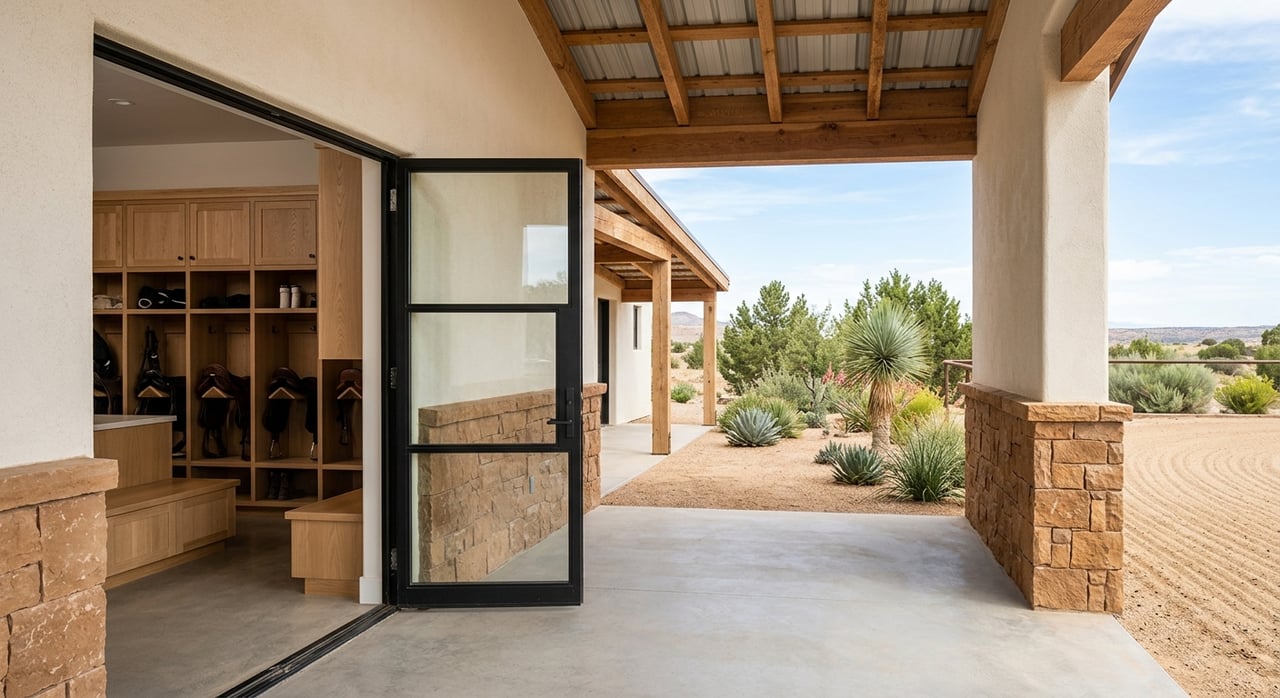
When to Sell Horse Property in Hurricane
May 28, 2026
May 28, 2026
If you are thinking about selling equestrian property in Hurricane, timing can make a real difference. Horse properties are not impulse buys, and in today’s Washington County market, buyers have options. When you launch at the right time with clean facilities, complete records, and a clear value story, you give yourself a better chance to stand out. Let’s dive in.
Hurricane is still an active market, but it is not a rushed seller market where almost any listing will fly off the shelf. In March 2026, Redfin reported a median sale price of $645,000 in Hurricane, with homes selling in about 57 days and drawing about 2 offers on average. That tells you buyers are present, but they are also taking time to compare properties.
The broader Washington County numbers point in the same direction. In April 2026, the county saw 689 new listings, 443 pending sales, 430 closed sales, 74 days on market, and 5.7 months of supply. For equestrian sellers, that means preparation and presentation matter just as much as pricing.
For most horse properties in Hurricane, the strongest listing window is late April through May. That timing lines up with milder weather and the national seasonal pattern Zillow identified, with May standing out as the best month to sell and listings in the last two weeks of May selling for 1.7% more than average.
There is also a practical reason this window works well in Southern Utah. NOAA climate data from the St. George station shows average highs around 75.0°F in April and 85.4°F in May, before jumping to 96.4°F in June and over 100°F in July. Buyers touring acreage, barns, paddocks, and riding areas are more likely to have a better experience before summer heat becomes intense.
Equestrian homes sell on more than curb appeal alone. Buyers want to understand how the land functions, how the horse setup works, and whether the property supports the lifestyle they want. In spring, the property usually shows more comfortably, and your outdoor features are easier to present.
That matters because a horse-property showing often includes much more walking and inspection than a standard home tour. Buyers may spend time at fencing lines, gates, arenas, stalls, tack areas, and turnout spaces. A mild-weather showing can help them stay focused on value instead of heat.
If you miss the spring window, early fall is usually the next-best time to list. By then, the worst of the summer heat has started to ease, which can make showings more pleasant for buyers and sellers alike.
This can be a smart backup plan if your property needs more prep work than expected. Rather than rushing to market in peak summer, it is often better to finish the details and launch when the property is cleaner, safer, and better documented.
Summer is not impossible, but it can be more challenging for equestrian listings in Hurricane. Average highs reach about 96.4°F in June, 101.9°F in July, and 99.9°F in August. Those conditions can make it harder for buyers to fully explore a property with acreage and horse facilities.
There is also the visual side of the listing. Dry conditions and heat can make outdoor spaces feel less inviting if the property is not carefully maintained. When buyers are already comparing several listings, small presentation issues can carry more weight.
A horse property is really a package of features, not just a house with extra land. Buyers often look closely at acreage, zoning, irrigation setup, fencing, land condition, and the overall usability of the property. That usually means a more specialized buyer pool and a more detailed marketing process.
In and around Hurricane, zoning can be a major part of the story. Washington County includes Agricultural districts such as A-5 through A-40 and Residential Agricultural districts such as RA-1 through RA-10. Hurricane City also establishes A-1, A-5, A-10, A-20, A-40, RA-1, and RA-.5 zones, with residential-agriculture zones intended to allow agricultural and residential uses on large lots with limited animals.
That is why lead time matters. Buyers want clarity on what the property is, how the land can be used, and whether the existing setup supports their plans. If your records and property details are organized before the listing goes live, your launch will feel stronger and more credible.
Equestrian buyers often look past finishes first and focus on function. They want to know whether the infrastructure supports everyday use and whether the property appears well maintained. In Hurricane, that often includes practical details that can affect both value and marketability.
Important areas buyers may review include:
Hurricane City code also expects adequate fencing and enclosures to confine horses safely and in line with acceptable animal husbandry standards. Even if a buyer plans changes later, visible maintenance and safe setup can help build confidence during showings.
If you want to hit the late April to May window, start earlier than you think. Horse properties usually need more prep than standard residential listings because there are more moving parts to inspect, clean, and document.
Start with the functional items first. This is the time to repair fencing, gates, barn issues, drainage concerns, and irrigation problems. It is also the right time to gather zoning, water, and land-status records so you are not scrambling later.
Once the major work is handled, shift to appearance and marketing prep. Deep-clean stalls and tack areas, mow and edge the property, and drag arena footing if you have a riding space. This is also a good time to schedule photography, drone work, or video so your listing materials are ready when the property is.
This final stretch is all about show-ready detail. Fresh bedding, manure removal, touch-up paint, landscaping cleanup, and a final polish can make a big difference. Buyers notice whether a horse property feels cared for from the moment they arrive.
In a market with meaningful inventory, pricing alone will not carry the listing. Washington County had 5.7 months of supply in April 2026, which means buyers have room to compare options. Your pricing strategy has to match both current conditions and the unique value of your equestrian setup.
That is where presentation becomes so important. Strong photos, a clean property, and a clear explanation of acreage, zoning, and horse infrastructure help buyers understand what sets your property apart. When the listing tells the full story well, buyers are more likely to see the value.
Many sellers hold back because they are waiting for the market to feel ideal. In reality, the better question is whether your property is ready to launch in the strongest possible condition. In Hurricane, that usually means aligning your timing with comfortable weather, polished facilities, and complete paperwork.
A deliberate spring launch often gives you the best mix of buyer comfort and property presentation. If spring is not realistic, early fall can still be a strong alternative. The key is not chasing a perfect market. It is choosing a smart window and preparing your property to compete well.
If you are thinking about selling equestrian property in Hurricane, a tailored plan can make all the difference. From pricing and timing to presenting acreage, barns, and horse facilities in the best light, Holly Gardner offers the high-touch guidance and specialized marketing that lifestyle properties deserve.
Stay up to date on the latest real estate trends.

Get assistance in determining current property value, crafting a competitive offer, writing and negotiating a contract, and much more. Let Holly guide you through your home-buying journey.