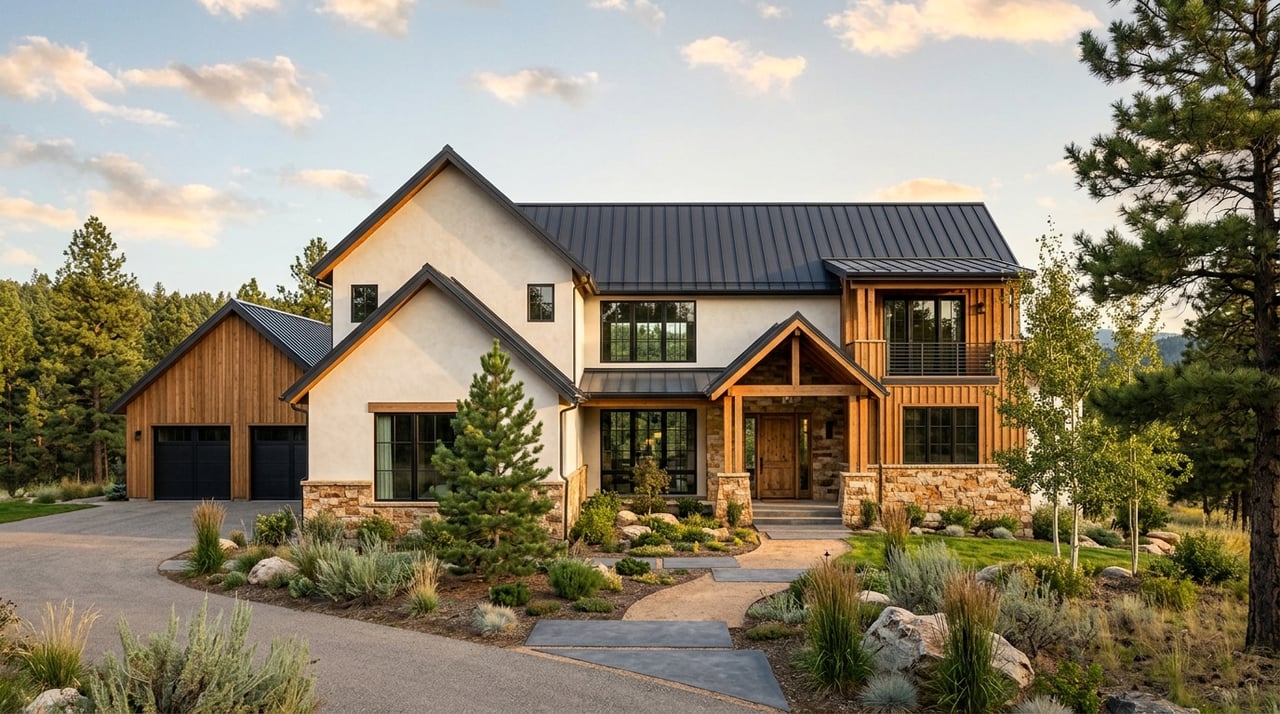
Cedar City vs St George Real Estate for Homebuyers & Investors
April 23, 2026
April 23, 2026
Trying to choose between Cedar City and St. George? If you are buying a home or looking at an investment property in Southern Utah, that decision can shape your budget, lifestyle, and long-term strategy. The good news is that both markets offer clear advantages, and the right fit depends on what matters most to you. Let’s break down the numbers, lifestyle differences, and buyer scenarios so you can compare them with confidence.
If you want the quick version, Cedar City is generally the lower-cost market, while St. George offers a larger, more established lifestyle market with higher home prices and rents. Recent data from Zillow's home value and rent reports and Redfin's housing market snapshot show a meaningful gap between the two cities.
Here is a simple side-by-side look:
| Market Factor | Cedar City | St. George |
|---|---|---|
| Average home value | $403,487 | $519,370 |
| Median sale price | $430,000 | $515,000 |
| Average rent | $1,463 | $1,760 |
| Owner-occupied rate | 56.7% | 66.7% |
| Median household income | $63,589 | $76,508 |
| Population growth since 2020 | 16.0% | 11.5% |
For many buyers, the biggest headline is price. Cedar City comes in about $85,000 lower on median sale price based on the current figures in the research. That lower entry point can matter if you want more flexibility in your budget, more land for the money, or a potentially easier path into ownership or investing.
Cedar City currently gives you a lower purchase-price barrier. With a median sale price of $430,000 compared with $515,000 in St. George, you may be able to stretch your budget further in Cedar City, whether you are looking for a primary home, a second home, or a rental property.
That price gap also affects your options. A lower entry point can make it easier to hold reserves for updates, furnish a second home, or keep cash available for future investments. If your strategy is value-oriented, Cedar City deserves a serious look.
St. George, on the other hand, sits at a higher price point but also serves a larger market with a more established owner-occupied base. For some buyers, that premium is worth it for the warmer climate, larger city feel, and broader amenity base.
If you are comparing these two markets from an investor point of view, Cedar City has an interesting edge on a rough price-to-rent basis. Using the figures in the research report, Cedar City's average rent of $1,463 against an average home value of $403,487 works out to a rough gross yield of about 4.35%. St. George's $1,760 average rent against a $519,370 average home value comes in around 4.07%.
That is not a net cap rate, and it does not include expenses, vacancy, financing, or property-specific factors. Still, it gives you a useful screening tool. Based on current market snapshots, Cedar City looks slightly more favorable if your goal is buy-and-hold value relative to acquisition cost.
One of Cedar City's biggest demand drivers is Southern Utah University. According to Southern Utah University enrollment data, the school reached an all-time high of 15,444 students in fall 2024.
That does not mean every student needs local housing, especially with more than 3,500 fully online students. But the scale of the university still supports demand from students, faculty, staff, and nearby workers. When you combine that with Cedar City's lower owner-occupied rate of 56.7%, the market reads as more rental-friendly than St. George.
For investors, that can translate into a broader renter pool and a different kind of demand profile. If you like the idea of a university-supported market with a lower entry cost, Cedar City may line up well with your goals.
St. George has a different rental story. It is a larger city with 106,288 residents, and U.S. Census QuickFacts show that 22.0% of the population is age 65 and older, with a 66.7% owner-occupied housing rate.
That profile suggests a market shaped more by lifestyle moves, household formation, and retirement-driven demand than by student turnover. Average rent is higher in St. George, but so is the acquisition price. For some investors, that balance may still work, especially if the appeal of a larger, warmer, amenity-rich market fits the long-term plan.
Price matters, but so does how you want to live. Cedar City and St. George offer very different day-to-day experiences.
According to NOAA climate data for Cedar City, Cedar City sits at about 5,581 feet elevation and has a true four-season climate. Annual mean temperature is 49.4°F, annual snowfall averages 171.4 inches, and July highs average 89.9°F.
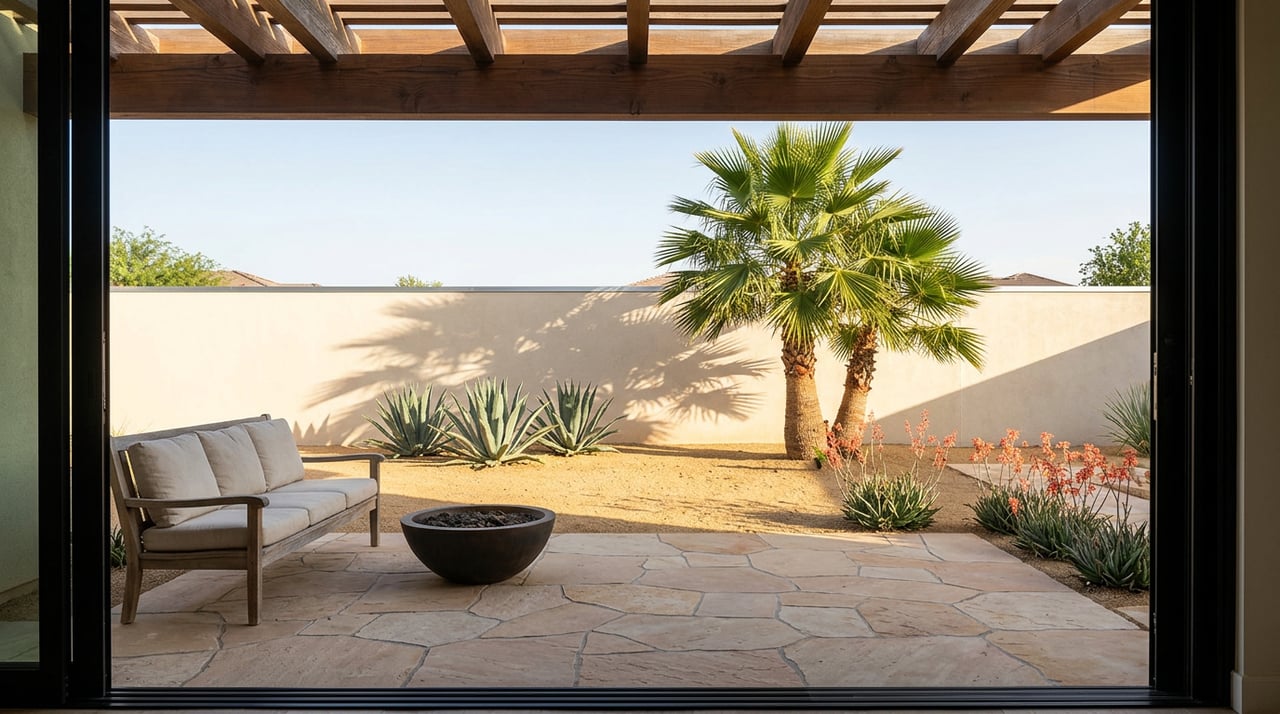
St. George is much warmer and lower in elevation. The research report notes that St. George sits around 2,979 feet, with an annual mean temperature of 62.7°F, only 3.0 inches of annual snowfall, and average July highs of 101.9°F.
In practical terms, Cedar City offers a cooler mountain-town feel, while St. George gives you a desert climate with much milder winters. Your comfort with heat, snow, and seasonality should absolutely factor into your decision.
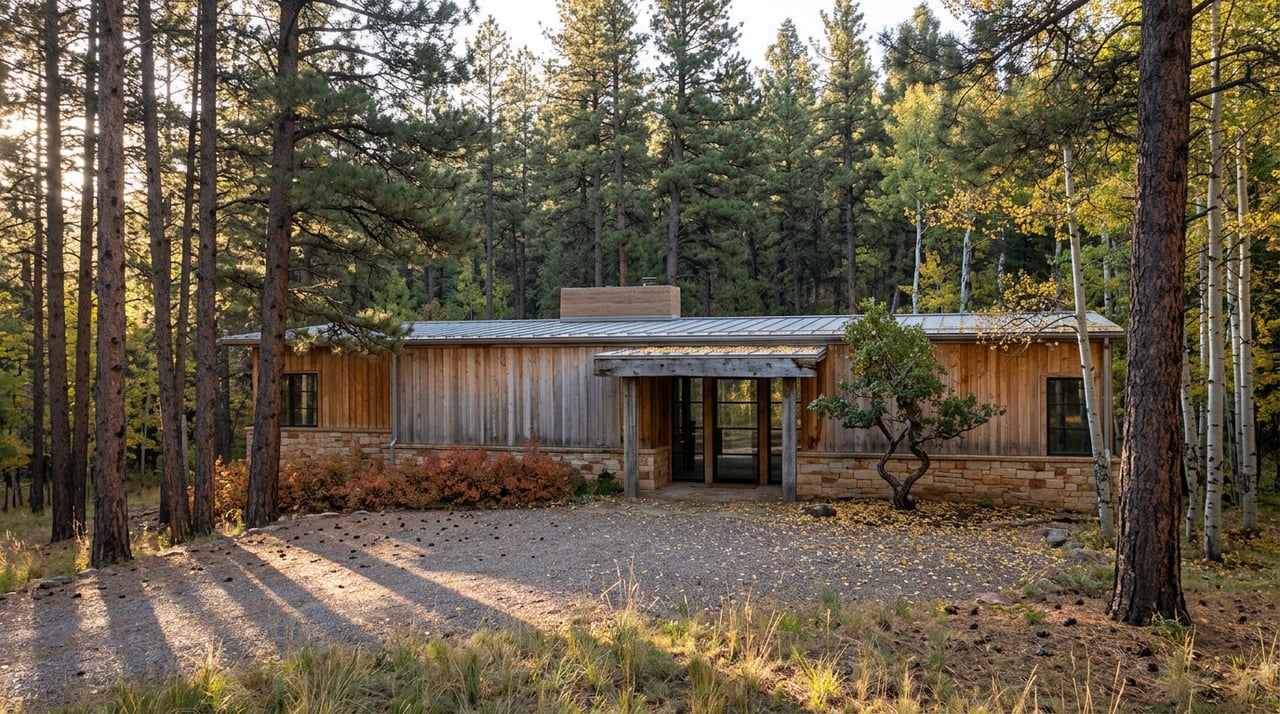
Cedar City is often described as a cool mountain town with access to Brian Head and the Mighty Five region, according to Visit Cedar City. If you enjoy cooler summers, seasonal scenery, and a smaller-market pace, that setting may feel like a better fit.
St. George leans into a more event-heavy outdoor lifestyle. The research report references the city's recreation planning, which highlights extensive parks and trails along with major events like the St. George Marathon, Huntsman World Senior Games, and IRONMAN.
Neither lifestyle is better. They are simply different. Cedar City tends to appeal to buyers who want mountain-town seasonality and a lower-cost base, while St. George often fits buyers who want warmer winters, more urban amenities, and a larger lifestyle market.
Both markets have shown long-term appreciation, but they do not behave the same way. That matters if you are thinking beyond the next year or two.
St. George has a more dramatic boom-bust history. A University of Utah Gardner Policy Institute review of Washington County's housing bubble found that prices doubled from 2002 to 2006, then declined for five years and bottomed in 2011 at roughly 40% below peak levels.
That history does not mean St. George is unstable today. It does show that the market can run up quickly and then reset over a longer period. If you are buying in St. George, it helps to think in longer cycles rather than expecting a straight line upward.
Cedar City can also move fast in shorter windows. Redfin's March 2026 data shows Cedar City's median sale price up 19.6% year over year, while St. George was down 2.8% over the same period. That does not guarantee future performance, but it does show that lower-priced markets can rebound sharply when demand tightens.
The better city depends on what you want your purchase to do for you.
Cedar City may be the stronger match if your top priorities include:
It can also be a smart market to explore if you want more flexibility to buy land, a lifestyle property, or a home with room to grow while keeping your initial purchase price lower.
St. George may be the better fit if you are focused on:
For second-home buyers, relocators, and buyers who want a more established desert lifestyle market, St. George often checks those boxes.
If you are still deciding, it helps to compare Cedar City and St. George through three practical filters:
Look beyond the list price. Think about how much cash you want available after closing for updates, furnishings, reserves, or future purchases.
Some buyers love snow, changing seasons, and cooler summers. Others want minimal winter weather and do not mind summer heat. Be honest about what you will enjoy year after year.
If you are buying for rental income, pay attention to entry cost, renter demand, and your hold period. If you are buying for lifestyle first, make sure the market supports the day-to-day experience you actually want.
Cedar City and St. George are both important Southern Utah markets, but they serve different buyer profiles. Cedar City stands out for affordability, seasonality, and a rental profile supported by a university presence. St. George stands out for warmer weather, a larger amenity base, and a more established owner-occupied lifestyle market.
If you want help comparing neighborhoods, land opportunities, second-home options, or investment property potential in Southern Utah, Holly Gardner offers a boutique, high-touch approach with local insight and remote-friendly guidance.
Stay up to date on the latest real estate trends.

Get assistance in determining current property value, crafting a competitive offer, writing and negotiating a contract, and much more. Let Holly guide you through your home-buying journey.