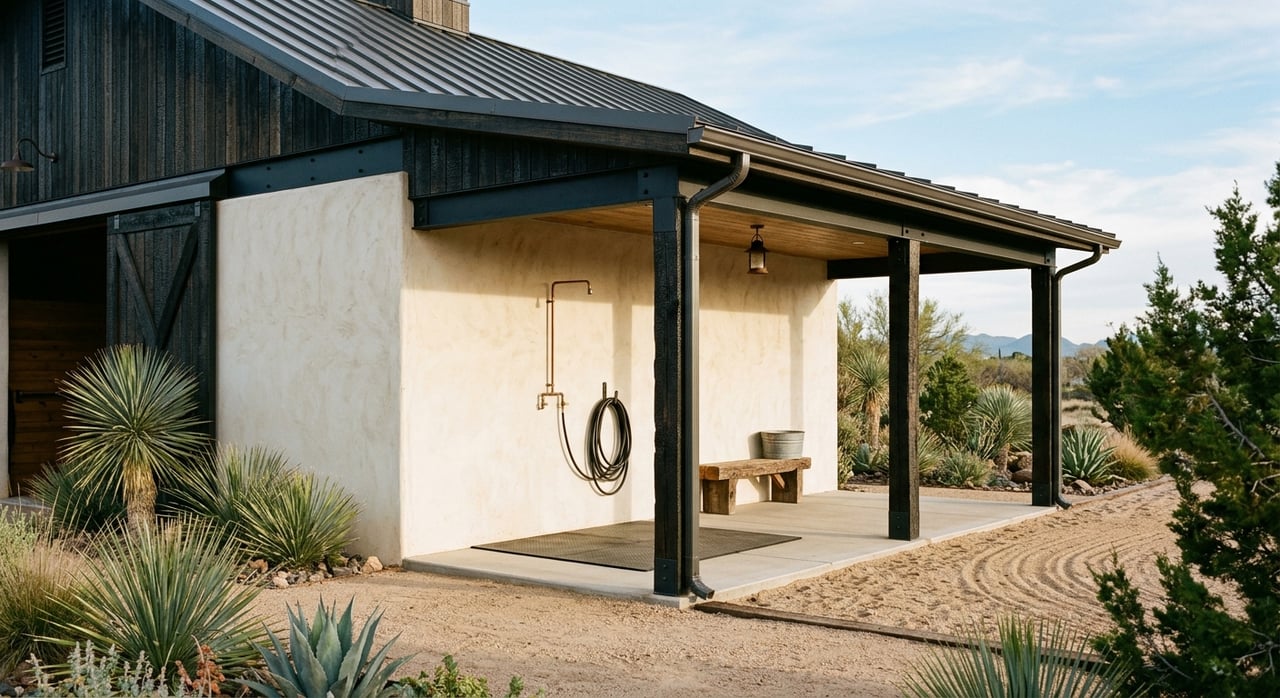
How To Shop For Horse Property In Hurricane
April 2, 2026
April 2, 2026
Shopping for horse property in Hurricane can feel simple at first glance. You see acreage, a barn, or a few fenced areas and assume it will work for your horses. In reality, the right property is about much more than looks, and a smart purchase starts with zoning, water, layout, and legal access. This guide will help you focus on the details that matter most so you can shop with more confidence. Let’s dive in.
One of the first things you need to confirm is whether a property sits inside Hurricane City or in unincorporated Washington County. That single detail can shape the zoning rules, setback standards, and review process that apply to the land.
Hurricane says its Planning and Zoning office enforces local land-use rules, and the city provides public map layers for zoning, land use, slope, and the general plan. Washington County also publishes a zoning reference that outlines agricultural and residential-agricultural districts. Before you get too attached to a property, make sure you know which jurisdiction controls it.
A horse property needs to work on paper before it works in practice. In Washington County, agricultural districts include A-5, A-10, A-20, and A-40, with minimum lot sizes of 5, 10, 20, and 40 acres. Residential-agricultural districts include RA-1, RA-2.5, RA-5, and RA-10, with minimum lot sizes of 1, 2.5, 5, and 10 acres.
That said, lot size alone does not tell you whether your setup will fit. The county zoning reference also lists setbacks, and those standards can affect where you place fencing, barns, shelters, arenas, or manure areas. A parcel may look large enough online but still have limitations once you account for required distances and site layout.
Hurricane’s General Plan offers encouraging context for horse-property buyers because it supports preserving farms, open pastures, and agricultural uses. Still, a general plan is not the same as parcel-level approval. You want to treat it as background, not as a green light.
Not every horse property has the same use pattern. A private residence with a few horses is different from a property you hope to use for boarding, training, or a public-stable operation.
If the use will be more intensive, Hurricane’s conditional-use checklist gives a clear picture of what the city will look for. The checklist addresses fencing or enclosures, manure handling, fly and vermin control, and for public stables, off-street parking with trailers kept on-site. It also notes that intensive animal-feeding operations must stay at least 25 feet from adjacent residential or residential-agricultural parcels.
This is why your shopping list should start with your real plans. If you only need a home base for personal use, your search may be wider. If you want a more active equestrian setup, you will need to review the property through a much stricter lens.
In Southern Utah, water should never be an afterthought. For horse buyers in Hurricane, one of the most important questions is whether the parcel has reliable irrigation access, and whether that irrigation is separate from culinary water.
Hurricane says its pressurized irrigation system uses filtered but nonpotable water from the Virgin River. The city also warns that muddy irrigation water can happen after upstream rain. The Washington County Water Conservancy District notes that secondary and reuse water are used across the county for irrigation, which helps conserve potable supplies.
For you as a buyer, that means a few practical due-diligence questions matter:
These answers can vary from one property to another, even in the same area.
A horse property is only as useful as its ground conditions. Footing, runoff, drainage, and flood risk can shape your daily experience and future costs.
The USDA Natural Resources Conservation Service says the Web Soil Survey is the official source for current parcel-level soil data. One soil series associated with the Hurricane area, the St. George series, is described as very deep, well drained, and moderately slowly permeable, and it occurs on river flood plains and alluvial fans.
That does not mean every parcel will perform the same way. It does mean you should pay close attention to drainage, runoff patterns, footing quality, and potential flood exposure before you buy. In an arid climate with roughly 8 to 11 inches of average annual precipitation and generally gentle slopes in this soil series, irrigation efficiency, dust control, and arena stability become especially important.
A property can have enough acres and still be awkward for horses. The layout is often what separates a workable horse property from a frustrating one.
When you tour a property, think beyond the home itself. Ask whether the parcel can support safe fencing, hay storage, trailer turnaround, and a manure area that will not interfere with drainage or neighboring properties. These practical questions line up with Hurricane’s enclosure and nuisance standards in the city’s horse-related use guidance.
You should also assume that future plans need review. Hurricane’s Planning and Zoning department reviews setbacks, heights, landscaping, and building materials, so a future barn, shed row, or arena expansion may need parcel-specific confirmation before closing.
Many buyers say they want a property near trails, but that phrase can mean very different things. In Hurricane, riding access is one of the biggest areas where assumptions can cause problems.
At Zion National Park, horse and pack-animal use is allowed only on certain trails, with off-trail use limited to specific washes. Day-use stock parties are limited to six animals, and some stock use may be restricted during wet periods. On nearby BLM lands, horseback riding is an established recreation use, but riders still need to follow area-specific rules and designated access.
The takeaway is simple: being close to open land does not automatically mean you can ride straight from your property. If trail access is a top priority, verify the exact legal and practical route before you buy.
Horse-property buyers in Hurricane often weigh convenience against flexibility. Smaller in-town horse-capable homes may offer a lower entry point and easier access to daily services, while larger acreage can create more room for turnout, setbacks, and better barn or arena options.
The trade-off is cost and complexity. According to current Realtor.com horse-property listings in Hurricane, available inventory is limited, with only three horse-stable listings noted in the research, including a 0.49-acre home at $350,000, a pending 1.03-acre home at $799,900, and a 5.43-acre land listing at $1.69 million. Realtor.com also reports Hurricane’s median listing price at about $648,780.
That limited inventory helps explain why buyers often need to stay flexible. A smaller property may work well if your horse needs are modest and the parcel already has the right setup. Larger parcels can offer more options, but they usually bring more due diligence around zoning, water, soils, and future improvements.
Even if you want horses at home, nearby equestrian resources still matter. They can make your property more functional and add convenience to everyday riding.
Hurricane has the American Legion Equestrian Park, which includes a practice arena open to the public for personal, non-commercial use at no charge. The city says the park exists primarily to serve the local horse community, which makes it a meaningful amenity for buyers who want occasional schooling or a place to warm up close to home.
As you narrow your search, keep your due diligence focused on the issues most likely to affect daily use and long-term value.
Buying horse property is rarely just about finding land. It is about finding a property that supports your lifestyle without creating avoidable surprises after closing.
If you want expert help evaluating horse property in Hurricane, Holly Gardner offers boutique, hands-on guidance for equestrian, luxury, and land buyers across Southern Utah, including virtual tours for remote clients and practical insight into the details that matter most.
Stay up to date on the latest real estate trends.

Get assistance in determining current property value, crafting a competitive offer, writing and negotiating a contract, and much more. Let Holly guide you through your home-buying journey.