Pine Valley Utah Cabins and Lots: A Buyer's Guide
May 7, 2026
May 7, 2026
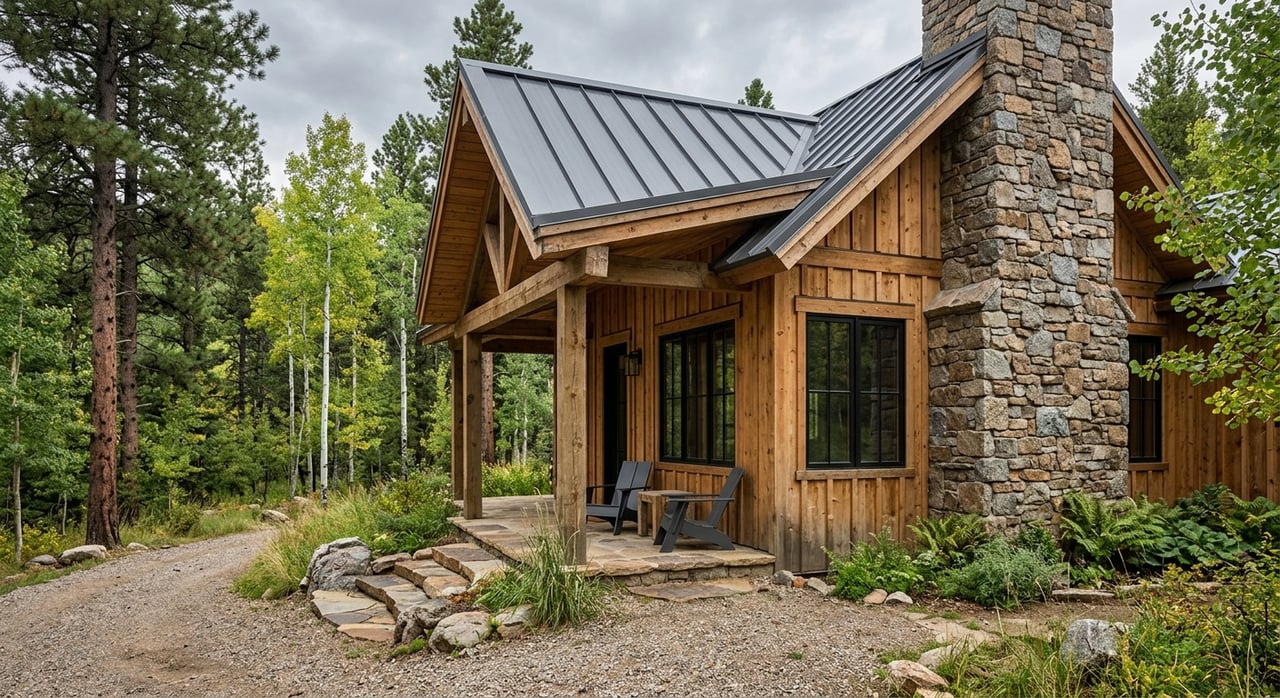
If you are dreaming about a mountain cabin, a future homesite, or a quiet second-home escape, Pine Valley likely checks a lot of boxes fast. It feels tucked away, surrounded by public land, and distinctly different from a typical subdivision market in Southern Utah. Still, buying a cabin or lot here takes more than falling in love with the trees and cooler air, and this guide will help you understand what to check before you move forward. Let’s dive in.
Pine Valley stands out because it functions more like a mountain retreat than a conventional neighborhood market. Washington County planning documents describe it as a second-home and vacation-home community, and that framing matters when you start comparing it to other areas in the region.
The setting is a big part of the appeal. Pine Valley sits at roughly 6,740 to 6,800 feet in elevation, and the Forest Service notes that the area is known for warm summer days and cool nights. For many buyers, that combination of forest scenery, privacy, and seasonal lifestyle is exactly the point.
Another reason buyers look here is limited outward growth. County planning materials describe Pine Valley as an island of private land surrounded by public land, which helps preserve its more secluded feel. If you want a place that feels protected from suburban-style expansion, Pine Valley offers a very specific kind of mountain setting.
One of the first things to understand is how you actually get to the property. Forest Service materials describe access from St. George as north on State Route 18 to Central and then east on Forest Route 035, while county documents similarly note paved access from Central.
That may sound simple, but mountain access deserves a closer look than a listing description usually provides. You should confirm whether the road serving a specific property is public, private, or HOA-maintained, because that can affect maintenance expectations and year-round use.
Winter conditions are especially important. Washington County maintains roads in unincorporated areas and handles services such as grading, chip sealing, and snow removal, but not every mountain property functions the same way in bad weather. Forest Service cabin information also shows that some facilities in the area are only vehicle-accessible in summer, with winter access potentially requiring walking, snowshoeing, or skis.
In Pine Valley, utilities are never something you want to assume. The Pine Valley Special Service District lists water, sewer, and fire service, and the community’s official site identifies Dixie Escalante Rural Electric Association as the power provider and Pine Valley Irrigation Company as a water contact.
Even so, the research points to a more nuanced picture. County planning materials have historically noted limited water supply and septic disposal constraints, and older plan material states that Pine Valley had no sewer system. That means the utility path for one parcel may look very different from the next.
Before you treat a lot as build-ready, verify the actual status of water, power, sewer or septic, and fire service for that specific parcel. This is one of the most important steps for both cabin buyers and land buyers, especially if you are purchasing from out of the area and relying on online listing information.
A lot of buyers expect private CCRs to be the main restriction on a cabin or lot. In Pine Valley, county overlay rules may matter just as much, and sometimes more.
The Pine Valley Overlay Zone is designed to preserve the area’s rural character and open views. It prohibits manufacturing and industrial zoning, commercial campgrounds, commercial recreation uses such as lodges and dude ranches, and fractionalized ownership.
That overlay also affects future land use and development expectations. New subdivided lots created for development must be at least one acre, which is an important detail if you are thinking long term about building, splitting land, or evaluating a parcel’s future options.
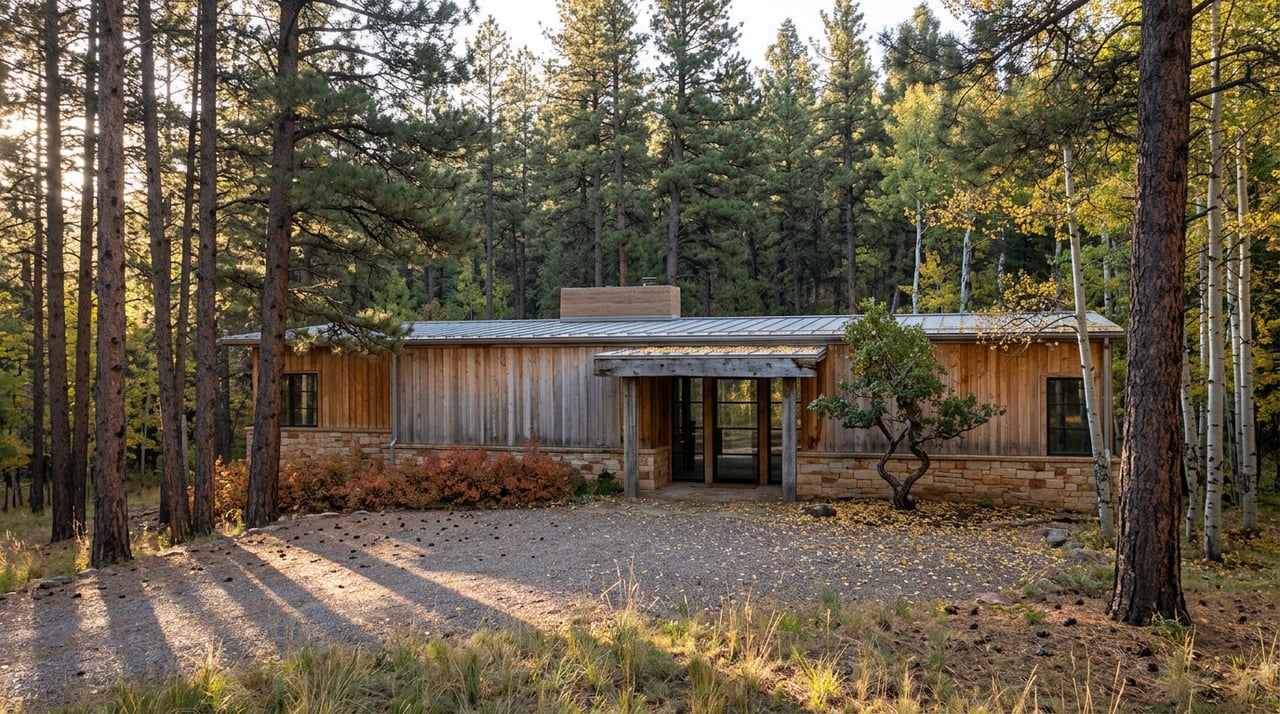
If you are buying a lot with plans to build, design rules matter early. The overlay emphasizes site-sensitive development that works with natural contours and mountain conditions, rather than forcing a suburban layout onto a forested site.
For example, the standards promote snow-load-aware roof forms, strongly discourage flat roofs, and prohibit flammable wood shingles. Mobile homes are not permitted, and manufactured homes are subject to strict standards.
There are also appearance and use rules that can shape your plans. Perimeter fencing must be non-sight-obscuring, fence height is limited to six feet, and outdoor lighting is expected to be shielded to reduce light spill and protect dark skies. If you are picturing a custom cabin, these are details to review before you finalize your vision.
Some buyers consider Pine Valley for part-time use with occasional rental income. That can be possible, but short-term rentals are not a simple yes-or-no issue here.
Under the Pine Valley Overlay Zone, short-term rentals may be allowed under county licensing rules, except for Planned Development STR zoning, and they are capped at 5% of the existing housing supply. If the home is not owner-occupied, the property manager must live within one hour of Pine Valley.
That means you should never assume a cabin can be used as a short-term rental just because similar properties appear online. If rental flexibility matters to your purchase, confirm the parcel’s zoning, current county rules, and whether any local cap or management requirement affects your plans.
Mountain living comes with natural beauty, but it also comes with practical responsibilities. Washington County notes that many communities are considered at risk for wildland fire, and Pine Valley’s overlay specifically identifies fire protection as a high priority because of the area’s proximity to National Forest land.
For buyers, this affects more than insurance conversations. It can shape how you think about defensible space, building materials, roof design, vegetation management, and long-term maintenance.
If you are buying a cabin or planning to build, it is wise to evaluate the property with fire planning in mind from the start. That is especially true in a wooded setting where access, slope, and surrounding vegetation can all affect how a site functions.
Pine Valley continues to attract buyers because of its outdoor lifestyle. Forest Service materials highlight area trails such as Brown’s Point, Equestrian, Whipple, Pine Valley Canal, and Gardner Peak, along with access connected to Pine Valley Reservoir and the Pine Valley Mountain Wilderness.
There are also community features that add to the seasonal appeal. The Pine Valley Heritage Center, according to the official town site, opens Memorial Day weekend and remains open through Labor Day.
At the same time, current conditions matter. As of April 30, 2026, the Pine Valley Recreation Area is marked closed indefinitely following flood damage and wildfire impacts from the Forsyth Fire, with the recreation area and campground expected to remain closed through at least the 2026 season during restoration and dam reconstruction.
For buyers, the takeaway is simple: always verify current closure orders, trail access, and recreation-area status before you base a purchase decision on a favorite map pin or listing photo.
Whether you are buying a second home, a future build site, or a seasonal getaway, a careful review can save you time and stress. In Pine Valley, the basics matter more than the brochure.
Here are some of the most important questions to answer before you move forward:
Washington County manages building permits electronically and handles subdivision plats, boundary-line adjustments, and zone changes. That makes it especially important to confirm what is actually permitted, rather than assuming a parcel can be used the way it is marketed online.
Pine Valley can be a wonderful fit if you want privacy, scenery, and a true cabin-style lifestyle. It can also be more complex than it first appears, because access, utility status, zoning, overlays, and seasonal realities all shape what ownership looks like.
That is why local guidance matters so much here. A beautiful listing is only the starting point, and the real value comes from understanding how the property functions in every season and what it will take to use it the way you intend.
If you are considering a cabin or lot in Pine Valley and want a clear, practical read on the opportunity, Holly Gardner offers the kind of hands-on, local guidance that can help you buy with confidence.
Stay up to date on the latest real estate trends.

Get assistance in determining current property value, crafting a competitive offer, writing and negotiating a contract, and much more. Let Holly guide you through your home-buying journey.