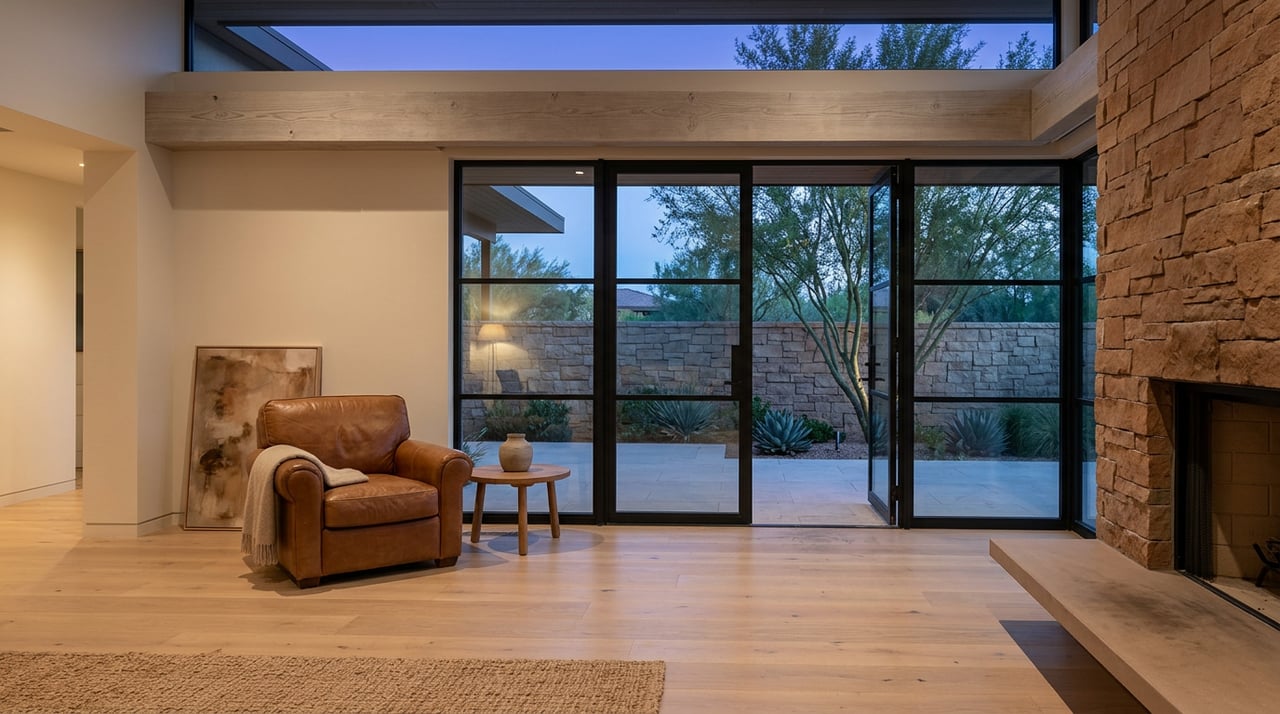
Thinking about building a home in Washington Fields but not sure where to start? You’re not alone. With rapid growth across Washington City, it can be hard to sort out timelines, lot premiums, permits, upgrades, and warranties. This guide breaks down how new construction works here so you can move forward with clarity, confidence, and fewer surprises. Let’s dive in.
Washington Fields basics
Washington Fields sits within Washington City in Washington County and is part of the fast-growing St. George area. Growth affects how quickly lots become available, whether certain lots carry premiums, and how long builds take.
Before you choose a lot or sign a contract, line up the right info. Reach out to Washington City’s Planning and Building Department about permits, impact fees, inspections, and timelines. Review parcel data, taxes, and recorded easements with the Washington County Assessor and Recorder. Ask the local HOA or master plan manager for CC&Rs and design standards. Confirm utility connections with city or county providers. Finally, verify your builder’s license and history with the Utah Division of Occupational and Professional Licensing and the Utah Division of Real Estate.
Starting these conversations early helps you confirm feasibility, estimate timing, and understand any design approvals that could affect your plans.
Home types explained
New construction typically falls into three categories. Each offers a different balance of speed, customization, and cost.
Spec homes
Definition: A builder completes a home without a committed buyer and lists it when finished or near-finished.
- Pros: Quick close, you can walk the finished product, occasional incentives.
- Cons: Limited customization, finishes already selected, fewer lot choices.
- Typical timeline: If completed, you can often close in days to weeks.
To-be-built production homes
Definition: You choose a plan and lot, sign a contract, then the builder starts construction.
- Pros: Some customization, you pick the lot, typically faster and less expensive than fully custom.
- Cons: Standard packages, change-order rules, timelines can shift.
- Typical timeline: Commonly several months from permit to completion.
Custom homes
Definition: A bespoke design and build, often with an architect and a custom builder.
- Pros: Maximum design control, lot-specific solutions, tailored materials.
- Cons: Highest cost, longest duration, more decisions.
- Typical timeline: Often 9–18+ months depending on complexity and approvals.
Step-by-step process
Here’s a practical roadmap from research to move-in.
Pre-contract research
Do your homework before you choose a lot or sign anything.
- Verify lot status: ownership, recorded plat, easements, drainage, setbacks, orientation, and utility stub locations.
- Request CC&Rs and design guidelines from the HOA; note color, material, fencing, and landscaping rules.
- Vet builders: confirm licenses and any disciplinary history, tour model or completed homes nearby, get references, and review standard inclusions, upgrade lists, and warranty details.
- Check financing: confirm if you need construction-to-perm financing and whether incentives require a preferred lender.
Contract essentials
Your purchase agreement should clearly outline price, scope, and process.
- Clarify base price, allowances, upgrade pricing, and any lot premium.
- Ask whether the lot premium is refundable and what it includes.
- Get a construction timeline with milestones and remedies for delays.
- Understand the change-order process, pricing, and schedule impacts.
- Review closing procedures if completion misses a target date.
- Confirm warranty terms and inspection rights, including pre-drywall and final.
- Ask how deposits and earnest money are held and under what conditions they are refundable.
Permits and approvals
The builder or owner will obtain building, grading, and utility permits. HOA architectural approval may be required before permits are issued. Plan review cycles vary. Changes after submittal can slow the start, so finalize plans before submitting when possible.
Construction timeline
Actual durations vary, but these ranges reflect common industry norms:
- Site prep and foundation: 2–6 weeks
- Framing and exterior shell: 4–8 weeks
- Rough mechanicals and insulation: 2–6 weeks
- Interior finishes: 6–12 weeks
- Final systems, landscaping, punch list: 2–4 weeks
Production and spec builds commonly take about 4–9 months from start to finish. Custom homes often run 9–18+ months. Weather, permit backlogs, supply chain issues, subcontractor availability, and change orders can all extend timelines.
Inspections and walk-throughs
Municipal inspections occur at footing/foundation, rough mechanicals, framing, and final. Many buyers also hire an independent inspector.
- Pre-drywall inspection: Check framing and rough mechanicals before walls close.
- Final walk-through: Confirm fixes and create a punch list.
- 11-month or 1-year warranty walk: Document items to address before the workmanship warranty expires.
Closing and move-in
For to-be-built homes, you usually close after the certificate of occupancy or another agreed milestone. For spec homes, you close after final inspections and title transfer. Expect a handoff with operation manuals, warranty paperwork, and service contacts.
Warranty basics
Most new homes include three levels of coverage:
- Workmanship and finishes: typically about 1 year.
- Certain mechanical systems: commonly 1–2 years for some components.
- Structural: often a longer-term warranty up to 10 years, frequently through a third-party provider.
Get the warranty in writing, including the claim process and exclusions, and submit claims promptly as outlined.
Costs and negotiations
Understanding how pricing works helps you manage budget and expectations.
Lot premiums
A lot premium is an added fee for a specific homesite. Common drivers include lot size, views, orientation, cul-de-sac or corner placement, slope and buildability, proximity to parks or trails, and overall scarcity in a high-demand area. Confirm whether the premium includes grading or retaining walls or if those are separate costs. Refundability depends on the contract.
Upgrades and allowances
Builders publish standard inclusions and offer tiered upgrades. Some items are handled through allowances. Ask for itemized pricing on popular upgrades and whether prices are locked at contract or at order time. If an allowance falls short, you pay the overage.
Change orders
A change order is any post-contract modification to scope. Expect added cost and potential schedule delays. Group decisions early during design selections to minimize field changes. Always get the change-order price and time impact in writing.
Negotiation levers
Depending on market conditions and inventory, you may be able to negotiate:
- Builder incentives, such as closing-cost credits or interest rate buydowns through a preferred lender.
- Lot premium reductions or included upgrades.
- Possession timing and certain contract terms.
Always review the trade-offs. For example, incentives may require using a preferred lender, which can limit your options.
Fees and taxes
Impact fees and utility hookups commonly add several thousand dollars to the build. Confirm details with Washington City and the relevant utility providers. After construction, your property tax assessment will reflect the completed improvement; check with the Washington County Assessor on how assessments are handled.
Remote and luxury tips
If you are building from out of state or planning a higher-end finish package, a few extra steps help the process run smoothly.
- Schedule virtual check-ins. Ask the builder for regular photo or video updates and milestone calls.
- Plan selections early. Secure design center appointments and confirm lead times for premium materials.
- Hire an independent inspector. A pre-drywall and final inspection add another set of eyes when you cannot be on site.
- Prepare for ARC review. Luxury or unique exterior choices may require HOA architectural approval and can add time.
- Expect longer lead times. Custom features and specialty trades can extend schedules.
New-construction checklist
Use this quick list to stay on track:
- Verify the recorded plat, lot dimensions, easements, setbacks, drainage, and utility stubs.
- Get CC&Rs, architectural guidelines, and any fencing or landscaping standards.
- Confirm utility availability and hookup fees with city or county providers.
- Vet your builder: licensing, references, nearby completed homes, standard features list, upgrade price sheet, and warranty program.
- Clarify financing: construction-to-perm vs builder’s preferred lender and any tied incentives.
- Review the contract: lot premium terms, allowances, change-order rules, timelines with milestones, inspection rights, closing procedures, and warranty coverage.
- Track the build: plan for municipal inspections, a pre-drywall review, final walk-through, and an 11-month warranty walk.
- Document everything: keep written confirmations for pricing, selections, change orders, and schedule updates.
Ready to explore new construction in Washington Fields with a local guide who knows the process, the neighborhoods, and the details that protect your investment? Reach out to Holly Gardner for a friendly, expert game plan tailored to your goals.
FAQs
How long does building take in Washington Fields?
- Production or spec builds commonly finish in about 4–9 months from start, while custom homes often take 9–18+ months. Weather, permits, labor, and materials can extend timelines.
What is a lot premium and can I negotiate it?
- A lot premium is an added cost for a specific homesite due to size, views, or location. It may be negotiable depending on demand and builder inventory.
What inspections should I order for a new home?
- In addition to municipal inspections, many buyers hire an independent inspector for a pre-drywall review and a final inspection to create a punch list before closing.
How do upgrades and allowances work for new builds?
- Builders offer standard features plus upgrades and may assign allowances for certain items. If your selections exceed the allowance, you pay the difference.
What warranties come with new construction?
- Most builders provide a 1-year workmanship warranty, limited coverage for certain systems, and a longer structural warranty that can extend up to 10 years.
Should I use the builder’s preferred lender?
- Preferred lenders can offer incentives like closing-cost credits or rate buydowns. Compare overall terms with independent lenders before deciding.
Which local offices should I contact before choosing a lot?
- Contact Washington City’s Planning and Building Department, the Washington County Assessor and Recorder, the local HOA for CC&Rs, utility providers, and Utah DOPL to verify builder licensing.
What hidden costs surprise new-construction buyers?
- Common add-ons include grading or retaining walls, utility hookups and impact fees, HOA-required landscaping or fencing, upgrade overages, and change-order costs.