Southern Utah Horse Properties
January 15, 2026
January 15, 2026
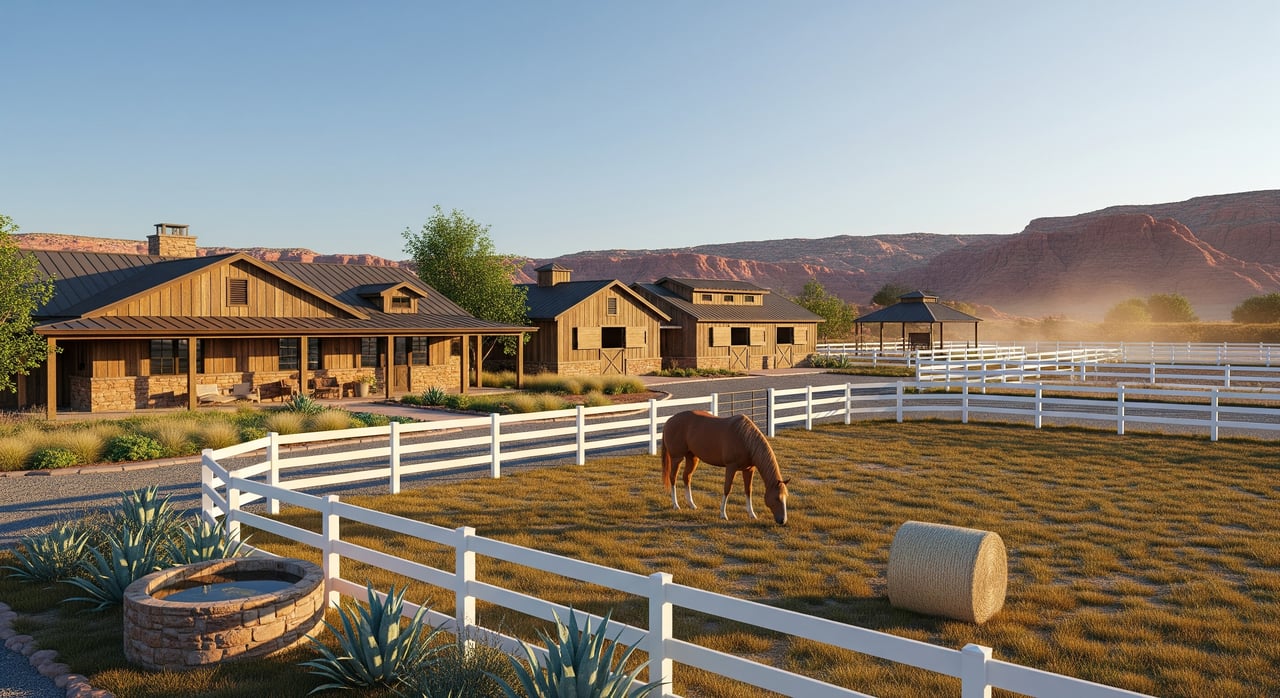
Dreaming of mornings with red rock views and your horses just steps away? If you are considering a horse property in Hurricane or greater Washington County, the details matter. From water rights to arena footing, small choices can shape daily life and long-term value. In this guide, you will learn the basics that smart buyers in Southern Utah use to choose the right acreage, plan facilities, and avoid costly surprises. Let’s dive in.
Southern Utah has a high-desert, semi-arid climate with hot summers, cool winters, and low rainfall. This affects how you manage dust, irrigate pastures, and maintain arena footing. Soils range from sandy to rocky, which changes drainage and construction needs. Plan for site-specific solutions based on your parcel’s soil and slope.
Around Hurricane, you will find both rural-residential lots and larger agricultural parcels. Hobby horse properties often fit into three broad tiers:
Availability and parcel sizes vary by location and topography. Always verify actual dimensions, zoning, and access through county records and recent listings.
Zoning sets what you can build and how you can use the land. It can control the number of animals, setbacks, and the size and placement of barns and arenas. Some properties also have CC&Rs or HOA rules that address building materials, colors, lighting, and animal-related nuisances. Review these restrictions early so your plans align with the property rules.
Most barns, permanent arenas, and major fences need building permits. Electrical work, water hookups, and septic systems are permitted and inspected separately. In rural areas outside city sewer service, you will likely need an on-site septic system sized to the home and any accessory dwelling. Soil tests help confirm septic suitability.
Power to outbuildings may require new lines or an upgraded service if you plan large pumps or shop equipment. Many rural owners use propane for heating shops or barns where natural gas is not available. Also consider access and safety: ensure trailers and emergency vehicles can turn around and that private roads have a clear plan for maintenance and snow removal.
In Utah, water is regulated and tied to rights or shares, which can be separate from the land. A parcel may have culinary water for the home, irrigation water rights or shares, a permitted well, or rely on hauled water for stock. The presence and transferability of water rights are critical if you want irrigated pastures.
Always verify if irrigation water rights or shares are included, how delivery works, and if they transfer with the sale. Common irrigation choices include pressurized irrigation where available, flood or furrow from ditches, or drip systems for targeted watering. Because water is scarce, plan for conservation through rotational grazing, soil improvements, and drought-tolerant forage.
For private use, common arena sizes include about 40 by 80 feet for basic riding, 60 by 120 feet for multipurpose use, and 100 by 200 feet for more space or multiple riders. Dressage sizes are 20 m by 40 m or 20 m by 60 m. If possible, orient the long side north to south to reduce sun glare and uneven freezing.
A durable arena starts with a proper base, drainage layer, and the right top footing. In our desert climate, this supports safety, reduces dust, and cuts maintenance. Include perimeter drains and graded slopes so flash rains do not wash out the surface. Lighting extends ride time but may be limited by county rules or HOAs. Plan for light control to avoid issues with neighbors.
You can choose between stall barns and run-in sheds based on your management style. Stalls require more infrastructure, such as mats, ventilation, and manure handling, while run-in sheds are simpler if your horses spend more time turned out. Ventilation and drainage are essential to reduce respiratory issues and protect hooves.
Flooring options include compacted base with rubber mats or concrete with mats, each with different upkeep and longevity. A clean, dry, and well-ventilated space helps with biosecurity and daily comfort for you and your horses.
Common fence types include treated wood rail, pipe and cable, vinyl rail, and electric. Each has different visibility, maintenance, and breakaway characteristics. Many owners use multiple smaller paddocks for turnout rotation. This helps reduce overgrazing and mud, and it gives you options to separate horses as needed.
Plan gate placements for easy trailer and equipment access. It helps to separate the arena, barn, and turnout areas with smart gate locations, which simplifies daily chores and improves safety.
Native grasses in Washington County do not support high stocking rates without irrigation or purchased hay. Most small-acreage owners feed hay year-round, especially in summer and winter. Stocking density depends on forage quality and irrigation. Before you buy, estimate hay needs and storage to fit your budget and space.
Decide early how you will handle manure. Your options include composting on-site, arranging a removal service, or spreading on fields where allowed. Regular removal reduces flies and odor. Many owners also use traps or biological controls to keep fly pressure manageable.
Southern Utah offers access to public lands and scenic riding, with rules that vary by area. BLM lands and certain forested areas provide trail access, but seasonal closures and permitted uses differ. Popular recreation areas near Hurricane include places like Sand Hollow State Park and nearby BLM recreation zones. Always confirm horse use rules, trailer parking, and any permits or seasonal restrictions before you go.
If you are new to the area, look for equine veterinarians, farriers, feed stores, hay suppliers, lesson barns, or boarding facilities. The local extension office can also be a helpful resource for forage and pasture guidance in arid climates.
Use this list to focus your questions and walk-throughs:
Many buyers focus on the house and barn and miss operating costs. Factor in hay, bedding, manure handling, and any irrigation assessments or well maintenance. Insurers may require fire-wise measures or even water reserves for wildfire defense. Also budget for arena upkeep, dust control, and fence repairs in a hot, dry climate.
Emergency access, trailer turnarounds, and all-weather driveways are not just nice to have. They matter when heavy rains hit or when you need fast service. Check that trucks and emergency vehicles can reach barns and arenas without getting stuck.
Choosing the right horse property is part numbers and part lifestyle. You deserve a partner who knows the local rules, understands equestrian infrastructure, and can flag risks fast. I help you review zoning, water rights status, septic and access, and the feasibility of barns and arenas so you can move forward with confidence.
Want to review a specific property’s suitability for horses? Schedule a free consultation to go over zoning, water, and barn possibilities. If you are exploring from out of the area, we can start with a virtual walk-through and a property-specific checklist. When you are ready to take the next step, connect with Holly Gardner for tailored guidance in Southern Utah.
Stay up to date on the latest real estate trends.

Get assistance in determining current property value, crafting a competitive offer, writing and negotiating a contract, and much more. Let Holly guide you through your home-buying journey.