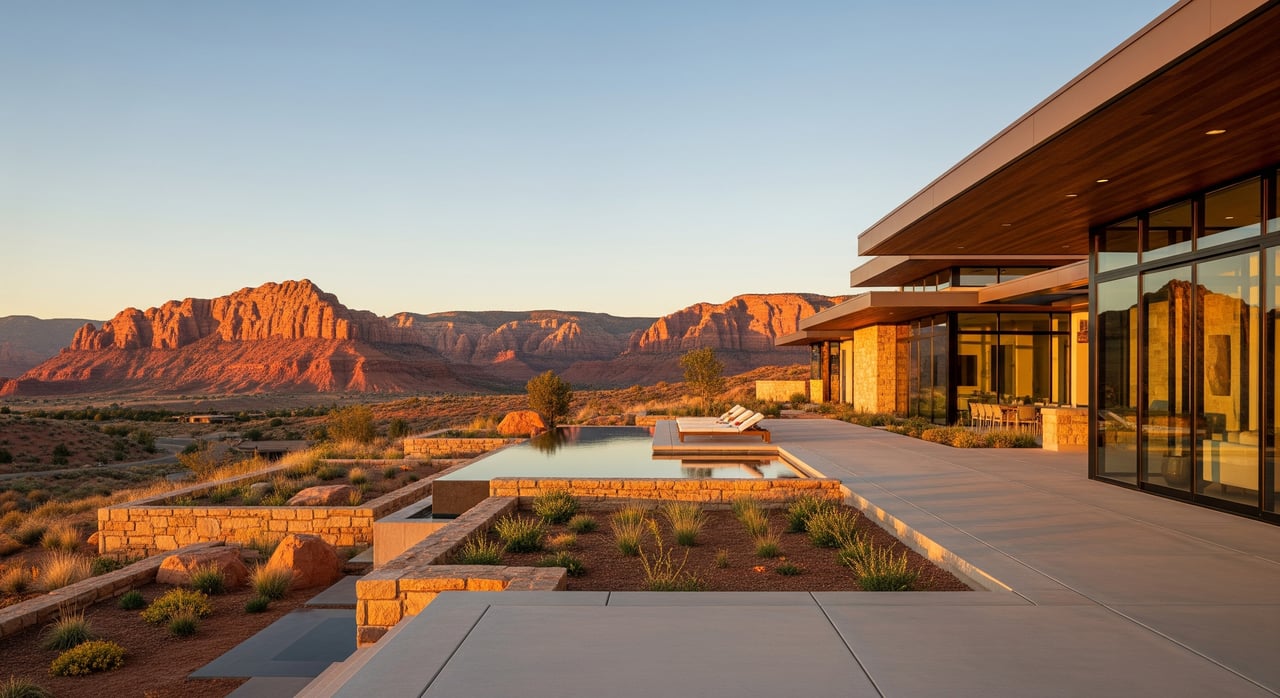
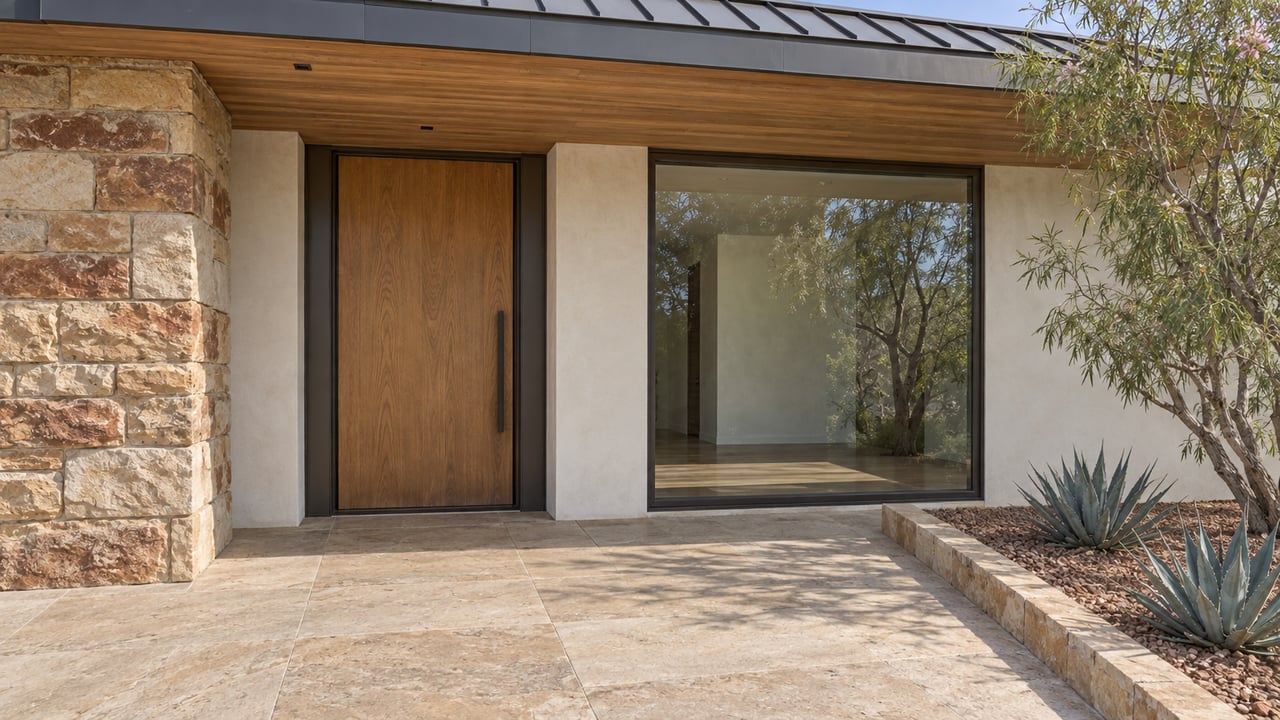
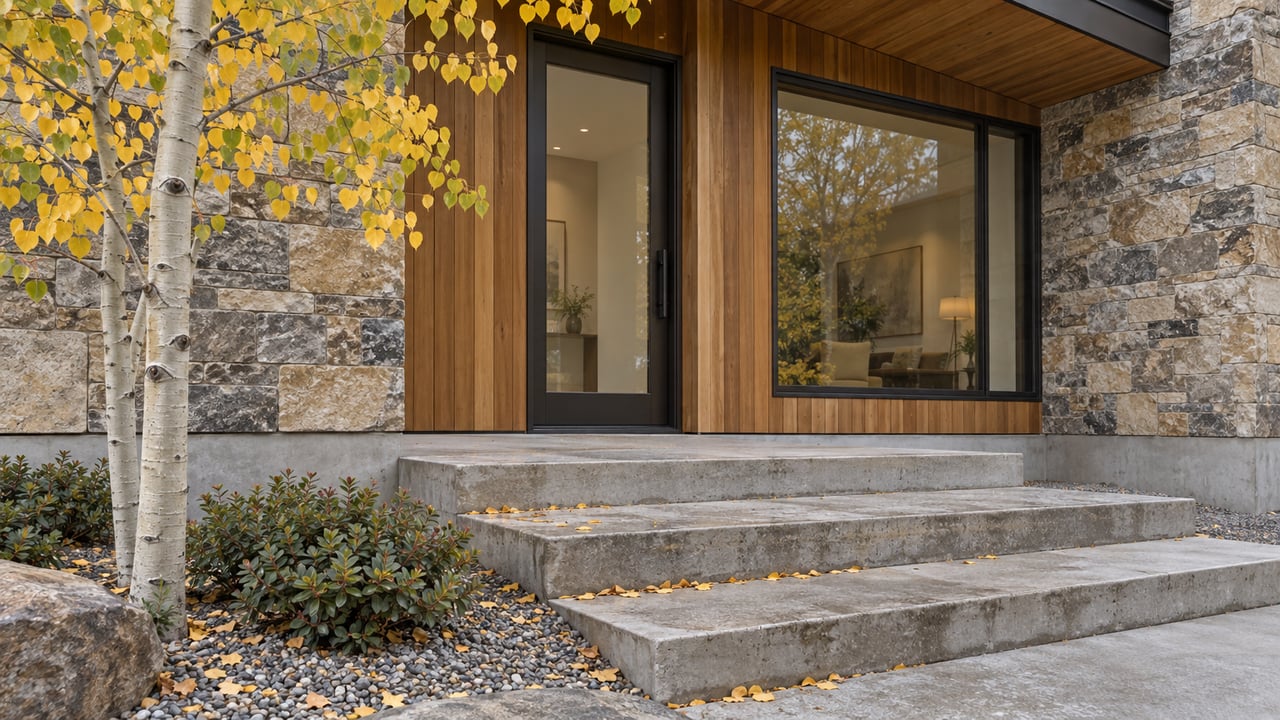
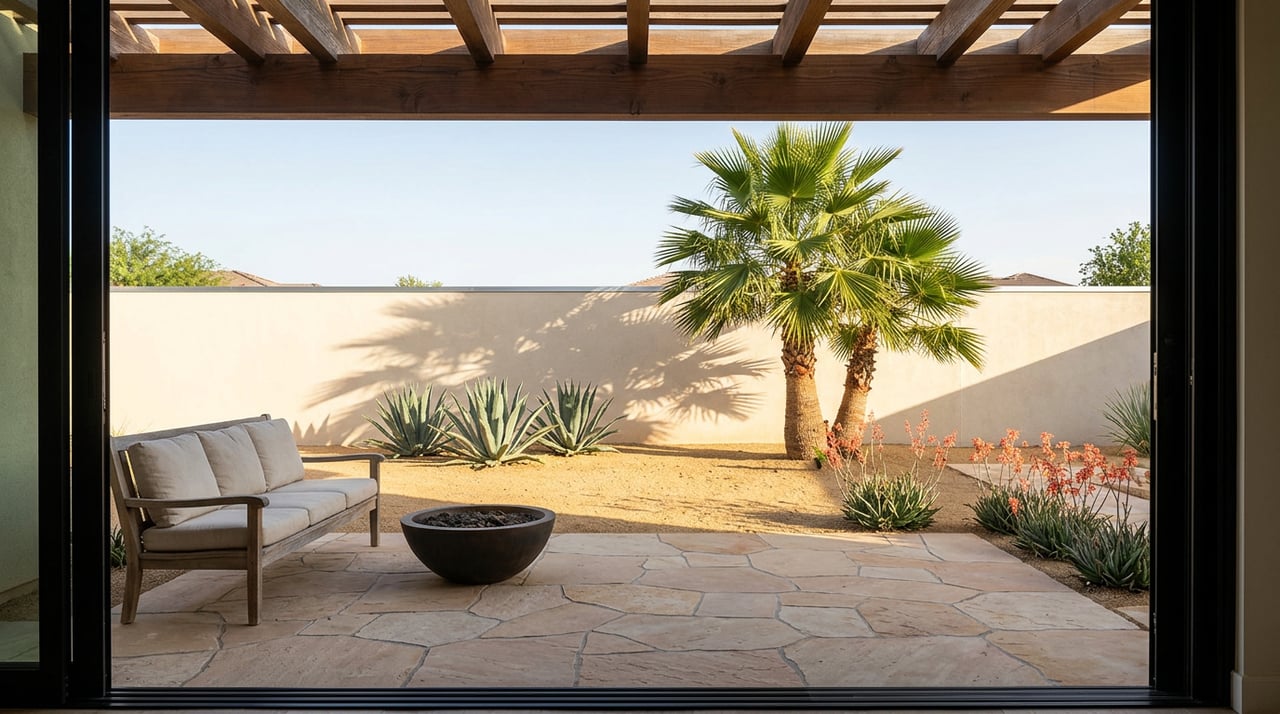
Is that red rock view lot in Ivins the perfect place for your custom home? Before you picture move‑in day, make sure the lot can actually support the home you want, within your budget and timeline. Building here involves city rules, possible HOA design review, site conditions like slope and soils, and utility connections. This guide breaks down what to check, who to call, and the next steps to move forward with confidence. Let’s dive in.
Know your zoning and setbacks
Understanding the zoning on your parcel is the first step. Zoning controls permitted uses, setbacks, lot coverage, height limits, and sometimes design standards. Some areas near scenic corridors or hillsides can include added restrictions.
- Confirm the parcel’s zoning district with Ivins City Planning and ask about any overlay zones that may apply.
- Review setback requirements for front, side, rear, and any street‑side yards on corner lots.
- Check how height is measured and whether ridgeline or view protections affect your design.
- Study the recorded plat for any building envelope and easements that limit where you can place the home.
Tip: Get the recorded plat and a recent Title Commitment so you can map easements, access, and any building envelope against your concept plan.
HOA and design review
Many Ivins neighborhoods use CC&Rs and an architectural review committee. These rules may address exterior materials, color palettes, rooflines, wall and fence locations, landscaping, and driveway finishes.
- Ask for the CC&Rs and any design guidelines before you write an offer.
- Clarify the HOA approval process, submittal stages, and typical review timeline.
- Make sure your proposed footprint fits within any building envelope and avoids utility or drainage easements.
City planning review and HOA review are separate. You may need both before a building permit is issued.
Evaluate slope, soils, and geohazards
Site conditions in Ivins can change the cost of excavation, foundations, and drainage. Sloped or rocky sites often require more engineering and time.
- Slope and topography: Gentle slopes are easier and cheaper to build on. Moderate slopes may require grading and retaining walls. Steep slopes usually need engineered solutions. A topographic survey will show contours, drainage paths, and elevation changes.
- Soils and bedrock: Desert soils can include shallow bedrock, cobbles, caliche layers, or pockets of expansive clay. Order a site‑specific geotechnical report early to confirm bearing capacity and foundation recommendations.
- Flood and drainage: Verify if the lot lies within a FEMA flood zone by checking the FEMA Flood Map Service Center. Expect on‑lot stormwater management and erosion control during construction.
- Geologic hazards: Review regional hazard info through the Utah Geological Survey hazard maps. On or near steep slopes, check for rockfall potential.
- Soil mapping: For a preliminary look at soils, consult the USDA Web Soil Survey, then rely on a licensed geotechnical engineer for site‑specific guidance.
If a septic system is under consideration because sewer is not available, groundwater depth and soil suitability must be verified through the local health authority.
Utilities and access
Confirming utility service early can save months and thousands of dollars.
- Water: Determine if Ivins municipal culinary water serves the lot. Ask about line location, capacity, tap fees, and impact fees.
- Sewer vs. septic: Verify sewer main proximity and connection requirements. If sewer is not available, confirm septic feasibility with the local health department.
- Power: Check service availability and potential line extension costs with Rocky Mountain Power. Ask about transformer location and whether underground service is required.
- Natural gas: Confirm service and extensions with Dominion Energy. Some areas may not have gas and will use electric or propane.
- Telecom: Confirm cable, phone, and internet options. Remote lots may need longer runs or wireless solutions.
- Road access and frontage: Verify whether access is from a public road or a private easement. Clarify if curb, gutter, sidewalk, or driveway apron improvements are required.
Watch for unrecorded utilities crossing the lot, screening requirements for meters, and HOA rules that require underground service.
Permitting steps in Ivins
Processes and timelines can change, so confirm details with Ivins City staff. A typical path for a custom home on a vacant lot includes:
- Pre‑application: Meet with Planning, Building, and Engineering to review your concept, code triggers, and required studies.
- Required submittals: Site plan with setbacks and driveway, grading and drainage plans, civil plans for retaining walls or utility extensions, a geotechnical report, and construction‑phase erosion control measures. Provide HOA approvals if applicable.
- Plan reviews: Planning checks zoning and setbacks. Engineering reviews grading, drainage, and public improvements. Building reviews architecture for code compliance.
- Permit and inspections: After approvals and fees, the city issues the building permit. Expect inspections for foundation, rough‑in, framing, insulation, and final systems, plus any special inspections for retaining walls or seismic requirements.
- Certificate of occupancy: Issued once all finals are approved.
Plan review can take weeks to a few months, depending on completeness, studies, and city workload. Utility line extensions or right‑of‑way improvements can add time.
Cost and timeline variables
A lot can be “buildable” yet still require extra budget or schedule. The biggest drivers usually include:
- Need for septic instead of a simple sewer tap.
- Rock excavation, difficult trenching, or specialized foundations.
- Retaining walls and slope stabilization on hillside sites.
- Geotechnical reporting and follow‑on engineering recommendations.
- Stormwater detention and erosion control measures.
- HOA design revisions or conditions of approval.
Build a contingency for site work, utilities, and plan revisions. Getting the right professionals on site early reduces surprises.
Due‑diligence checklist
Use this short list to confirm buildability before you write an offer.
- Parcel tax ID, legal description, and the recorded plat. Review all easements and any building envelope.
- Zoning classification and the relevant zoning chapter for setback, height, and lot coverage.
- CC&Rs and HOA design guidelines with a clear understanding of the approval process.
- Written utility availability checks for water, sewer, electric, gas, and telecom. Ask providers for tap fees and any extension costs.
- Topographic and boundary survey or at least a slope and buildable‑area estimate.
- Preliminary geotechnical reconnaissance; order the full geotechnical report if the site is sloped or rocky.
- FEMA floodplain status via the FEMA Flood Map Service Center.
- Driveway access details and any required frontage improvements.
- Estimated impact fees and building permit fees from the city.
- Recent grading or drainage permits or complaints in the immediate area.
If the lot looks promising, proceed with a full topo survey, utility locate, geotechnical report, and a preliminary grading and drainage plan to refine costs.
Your next steps in Ivins
- Call Ivins City Planning and Building to confirm zoning, required studies, and submittal checklists for a single‑family home.
- Request recorded plats, title commitment, CC&Rs, and any HOA design guidelines from the seller or title company.
- Assemble a local team: surveyor, geotechnical engineer, civil engineer, and an architect or builder experienced with Ivins hillside construction.
- For out‑of‑area buyers, line up virtual meetings and remote document reviews to keep momentum.
Ready to evaluate a specific lot or build a smart plan for your custom home? Connect with Holly Gardner for a clear, local path forward and schedule a free consultation.
FAQs
How do I confirm if an Ivins lot is buildable?
- Verify zoning and setbacks with Ivins City, check utility availability, order a topo and boundary survey, and get a geotechnical reconnaissance to flag major risks early.
Do I need a geotechnical report for my Ivins homesite?
- Most sloped or rocky sites in Ivins will require a geotechnical report during plan review, and it is wise to budget and order one before final design.
What if sewer is not available at my Ivins lot?
- Confirm sewer main proximity and city requirements; if septic is the only option, coordinate with the local health authority to test soils and groundwater and secure permits.
How restrictive are HOAs on custom homes in Ivins?
- Many communities use CC&Rs and design review that address exterior materials, colors, roof forms, wall locations, and landscaping, so obtain guidelines and timelines up front.
Which steps most often slow down permits in Ivins?
- Civil approvals for grading, utility line extensions, and required off‑site improvements, plus any variances or conditional use permits, often add the most time.