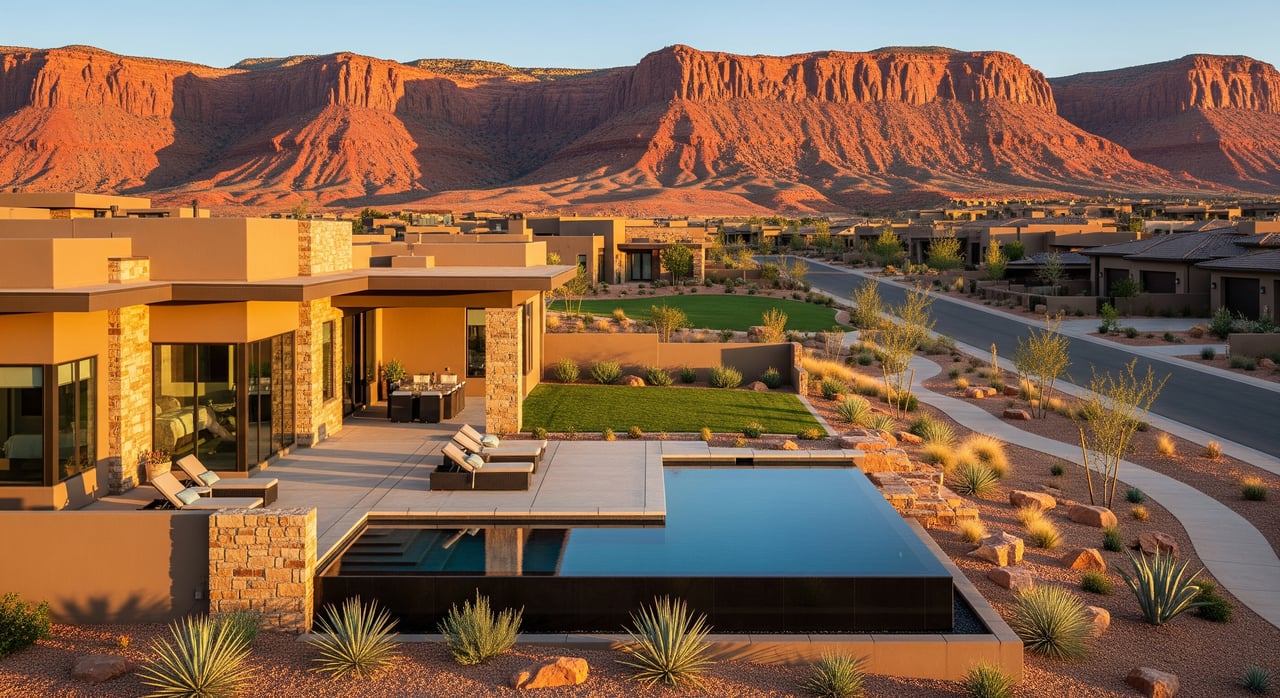
St. George HOA vs No HOA: Pros, Costs & Lifestyle
December 4, 2025
December 4, 2025
Is the structure of an HOA a smart fit for your life in St. George, or would you prefer the freedom of a no‑HOA property? With our desert climate, outdoor toys like RVs and boats, and strong demand for vacation rentals, the choice matters more here than in many places. You want clarity on costs, rules, and how each option will shape your day‑to‑day life and long‑term plans. This guide breaks it all down so you can move forward with confidence. Let’s dive in.
A homeowners association is a private entity that enforces recorded CC&Rs, collects dues, maintains common areas, and often provides amenities like pools, landscaping, and clubhouses. You will see HOAs governing everything from condos and townhomes to gated master‑planned communities. In many St. George neighborhoods, an HOA helps maintain appearance and shared spaces.
In Utah, HOAs operate under state statutes and recorded governing documents. Depending on the community and the law, an association may use tools such as fines, liens, or in serious cases foreclosure for unpaid assessments. Rules and enforcement vary by community, so always review the specific documents and consult an expert if you have questions.
City and county rules also matter. St. George ordinances and Washington County zoning can affect parking, accessory structures, and short‑term rental permits, separate from HOA rules. Make sure you check both sets of rules before you buy.
Costs differ widely by property type and amenities. Use these ranges as a starting point, then confirm current numbers with the HOA.
Actual dues depend on amenities, reserve funding, and community size. Always verify current dues and what they cover.
Some associations charge a resale or estoppel fee for the document packet. You may also see transfer fees, buyer applications, and move‑in or move‑out fees. These vary by community and who pays can vary by contract.
If reserves are not well funded, an HOA may levy a special assessment for major repairs or capital projects. Ask for the reserve study, recent budgets, and a record of any past or planned assessments. Strong reserves can lower your risk of surprise costs.
Condo associations typically carry a master policy for the building exterior and common elements, while unit owners purchase an HO‑6 policy for the interior and contents. Single‑family HOAs usually insure common areas only. Hidden costs can include fines for CC&R violations, legal fees if accounts go delinquent, or delays and design fees for remodeling approvals.
Most HOAs regulate visible exterior changes. You may need approval for paint colors, roofing, fencing, lighting, or hardscape. The architectural review process usually has timelines and submittal requirements. If you enjoy customizing, factor this into your plans.
In our desert climate, many HOAs set standards for xeriscaping, turf limits, drip systems, and plant lists. Some enforce front‑yard maintenance closely. If you want full control over your landscaping design, you may prefer a property without these standards.
RV and boat ownership is common here, but many HOAs restrict parking of these vehicles in driveways or anywhere visible from the street. Some require off‑site storage or offer community storage lots. City and county ordinances can also limit street parking durations. Confirm all parking rules in writing before you buy.
Many HOAs restrict or ban short‑term rentals even if city rules would allow them. Look for minimum lease terms and any registration requirements at the city level. If you plan to rent part‑time, you must confirm both HOA and municipal rules.
HOAs may set pet limits by number, size, or breed. Some communities are age‑restricted. Review pet policies, play equipment rules, and fencing standards to make sure they fit your household needs.
A no‑HOA property puts you in charge of decisions and maintenance. You can typically choose exterior colors, fencing, and landscaping without HOA approval. If you have an RV or boat, you may have more flexibility to park on site, within city or county code.
You also carry full responsibility for yard care, exterior maintenance, and any shared private roads or wells if present. Without shared amenities, your fixed monthly housing costs may be lower, but you manage everything yourself.
Request these documents during due diligence so you understand the HOA’s rules and financial health:
Use this checklist to clarify your fit before you write an offer:
Your choice should match your lifestyle, budget, and long‑term plans. Whether you want the convenience of amenities or the freedom to park a fifth‑wheel beside a barn, you deserve a targeted search and clear guidance on rules and costs. I can assemble HOA document packets during due diligence, flag red‑flags in minutes and budgets, and tailor your home list toward HOA‑friendly or no‑HOA options, including luxury and equestrian properties.
If you are buying from out of the area, I offer virtual tours and remote‑friendly workflows so you can evaluate neighborhoods and HOA fit from anywhere. For acreage and horse properties, I provide contacts for local vendors and help you verify zoning and use.
Ready to compare options side by side and find your best fit in St. George? Connect with Holly Gardner for a personalized plan.
Stay up to date on the latest real estate trends.

Get assistance in determining current property value, crafting a competitive offer, writing and negotiating a contract, and much more. Let Holly guide you through your home-buying journey.