What Pine Valley Cabin Lifestyle Offers Southern Utah Families
July 2, 2026
July 2, 2026
If Southern Utah summer heat has you dreaming about a cooler place to gather, unwind, and slow down, Pine Valley deserves a closer look. For many families, the appeal is simple: you can stay in Washington County and still feel like you escaped to the mountains. This guide will help you understand what seasonal cabin life in Pine Valley really looks like, from the setting and housing patterns to the practical details that matter before you buy. Let’s dive in.
Pine Valley is not your typical subdivision community. Washington County describes it as an island of private land surrounded by national forest, and many of its dwellings are used seasonally or as summer homes. That makes it especially appealing if you are looking for a weekend retreat, a second home, or a place for repeat family getaways.
The elevation is a big part of the lifestyle. Pine Valley sits at just over 6,500 feet above sea level, several thousand feet higher than lower desert communities in the county. According to Washington County planning documents, summer days can reach the 80s here while lower valleys are often well over 100 degrees, with cool mornings and evenings adding to the draw.
The scenery also sets the tone. County planning documents describe meadow land, nearby forest land, protected open space, and views in all directions. For Southern Utah families, that creates a close-to-home mountain setting that feels a world apart from the desert floor.
Pine Valley is best understood as a seasonal retreat community. Washington County’s 2011 survey describes it as essentially a second-home or vacation-home area, noting that far more people are present in summer than during the rest of the year. If you are picturing family barbecues, long summer weekends, fall color visits, and quiet breaks from city pace, that framing fits.
This does not mean you cannot find year-round use. It does mean the rhythm of life tends to follow the seasons rather than a suburban, full-time pattern. Buyers who thrive here are often looking for lifestyle value, natural setting, and space to reconnect.
For many households, Pine Valley works best as a place with purpose. It can be where your family escapes the heat, hosts holiday weekends, or builds traditions around fishing, trails, and time outdoors. That lifestyle focus is what makes the area so distinctive.
The housing pattern in Pine Valley is low-density and rural. Washington County zoning references include Seasonal Forest Residential, Residential Agricultural, and Open Space Transitional districts, with examples such as 20-acre seasonal or open-space categories and 1-acre residential-agricultural parcels. In practical terms, that points to larger, spread-out lots instead of compact neighborhood development.
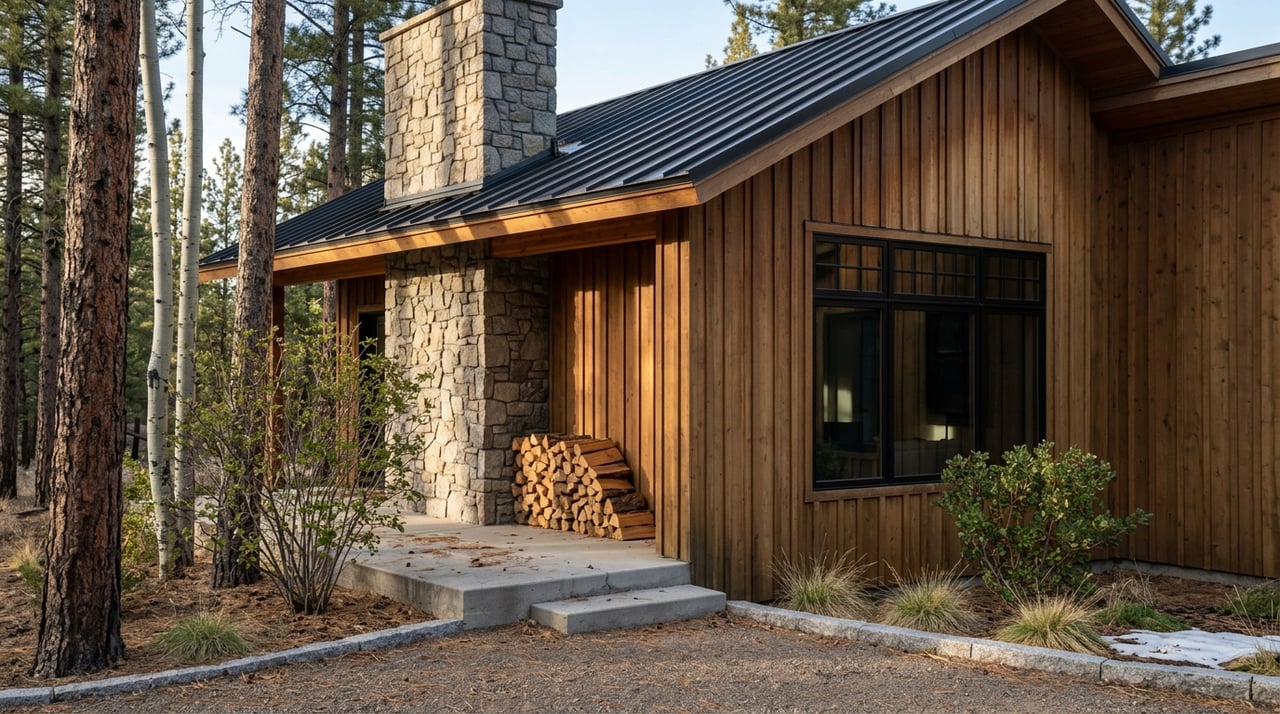
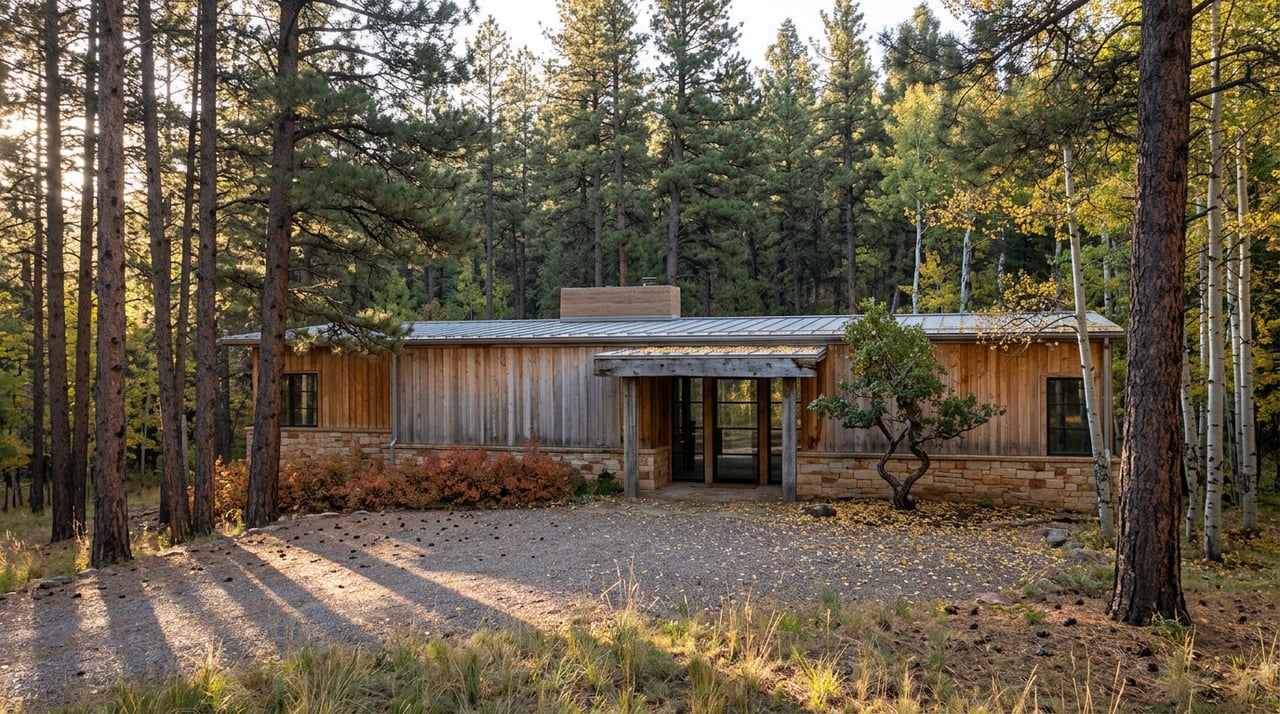
Most existing homes are described by the county as second dwellings or summer homes, and the plan also notes historic homes dating back to the pioneer era. Based on the area’s land use and zoning framework, Pine Valley inventory tends to lean toward modest cabins and cottages, rustic single-family homes, and rural homes on larger parcels. The feel is generally simple, practical, and mountain-oriented.
That rural character is reinforced by current overlay standards. Washington County emphasizes native landscaping, defensible space, low-speed unpaved roads, and perimeter fencing that does not block sight lines. If you are expecting suburban curb-and-sidewalk development, Pine Valley will likely feel more rugged and natural than polished.
The biggest draw is the climate shift. When lower Washington County is deep into summer heat, Pine Valley offers cooler daytime temperatures and crisp evenings that make porches, walks, and outdoor meals much more enjoyable. That alone can make a seasonal property feel worthwhile for families who want relief without a long drive.
The setting also supports a slower pace. With meadow views, forest access, and open space nearby, cabin life here often centers on simple routines like morning coffee outside, afternoon exploring, and evenings spent together. It is less about packed resort programming and more about making room for connection.
Seasonal recreation adds to the appeal. The Forest Service notes that the broader area offers fishing, trails, horse camping, and winter nonmotorized recreation. Depending on the season, a Pine Valley cabin can serve as your summer base camp, fall retreat, or quiet winter hideaway.
One reason Pine Valley stands out is that it feels remote without being far from the St. George side of Washington County. Forest Service directions to the Pine Valley area route travelers north on State Route 18 to Central, then east on Forest Route 035 and into Pine Valley. That makes it reachable for weekend use while still delivering a true mountain atmosphere.
Still, access is one of the most important things to verify before you buy. County planning documents note that only the main road was paved while many local streets were gravel. Washington County’s road department also states that it maintains unincorporated roads through grading, chip sealing, and snow removal.
For you as a buyer, that means road questions should be part of your first review of any property. You will want to understand not only how to reach the home in summer, but also what winter access looks like, what the road surface is like, and how seasonal weather may affect your plans.
Cabin buyers should not assume urban-style utility service in Pine Valley. Washington County’s plan says the community had no sewer system, and septic feasibility can be constrained in meadow areas because of a high water table. That makes utility due diligence especially important.
Instead of assuming every parcel functions the same way, think in terms of property-by-property verification. Water source, septic feasibility, and winterizing needs can all vary. In a seasonal mountain setting, those details are part of what defines whether a property fits your lifestyle and comfort level.
This is one of the places where careful guidance matters. A charming cabin and beautiful lot can still come with practical questions that deserve answers early in the process. When you know what to verify, you can evaluate the property with much more confidence.
Pine Valley’s commercial core is small. County planning documents describe a limited center around the fire station, post office, restaurant, motel, and a small grocery site. That supports the idea that most everyday errands will still happen in larger nearby communities.
For many second-home buyers, that is part of the charm rather than a drawback. You are not buying Pine Valley for urban convenience. You are buying it for cooler air, open views, and a mountain rhythm that feels different from your day-to-day routine.
That said, it helps to go in with clear expectations. If you want a cabin that is easy to use on short notice, think through shopping, supplies, seasonal preparation, and how self-sufficient you want the property to be.
Mountain communities come with changing conditions, and Pine Valley is no exception. The Forest Service currently lists the Pine Valley Recreation Area and the Pine Valley Guard Station as closed until further notice because of flooding damage. That is a useful reminder that access to nearby amenities can shift over time.
This does not take away from Pine Valley’s appeal. It simply means you should check current conditions instead of assuming recreation facilities, roads, or surrounding access points will always operate the same way. In mountain real estate, flexibility and current local information go a long way.
If you are buying for lifestyle use, this matters just as much as square footage. Your experience of the property is tied to the season, the roads, and the surrounding public lands. Understanding those moving parts helps you make a smarter decision.
Wildfire awareness is a normal part of owning property in Pine Valley. Washington County includes Pine Valley among at-risk communities in its community fire planning, and the Forest Service identifies the surrounding landscape as a wildfire-priority area with fuel-reduction work underway. For buyers, that means preparedness should be viewed as a standard ownership responsibility.
In practical terms, it is wise to pay attention to defensible space, vegetation management, and evacuation awareness. These are not unusual concerns for a mountain property. They are part of responsible ownership in a forested setting.
The good news is that local standards already support that mindset. The Pine Valley Overlay Zone emphasizes native landscaping and defensible space, which reinforces a rural, mountain-appropriate approach to property care.
If you are considering a seasonal cabin in Pine Valley, a few questions can help you evaluate whether a property fits your needs.
These questions may sound simple, but they can shape how enjoyable and practical your cabin life will be. In a place like Pine Valley, the right fit is about more than the house itself. It is about how the property works through every season you plan to use it.
For Southern Utah families, Pine Valley offers something increasingly valuable: a mountain retreat that feels both accessible and distinct. You can leave the desert heat behind, enjoy a cooler and greener setting, and create a repeat escape without going far from home. That combination is hard to find.
It also fits buyers who value land, privacy, and a more rural property pattern. Larger lots, rustic homes, and seasonal use make Pine Valley a natural match for people who want a cabin lifestyle rather than a conventional neighborhood experience. If your goal is a family retreat with long-term lifestyle value, it is worth serious consideration.
The key is buying with clear expectations. Pine Valley offers beauty, breathing room, and a slower seasonal rhythm, but it also asks you to pay attention to access, utilities, maintenance, and wildfire readiness. With the right property and the right guidance, that tradeoff can be well worth it.
If you are exploring seasonal cabins, rural homes, or land in Washington County, Holly Gardner can help you evaluate the lifestyle and property details that matter most. Schedule a free consultation to talk through your goals and find the right fit for your next Southern Utah retreat.
Stay up to date on the latest real estate trends.

Get assistance in determining current property value, crafting a competitive offer, writing and negotiating a contract, and much more. Let Holly guide you through your home-buying journey.